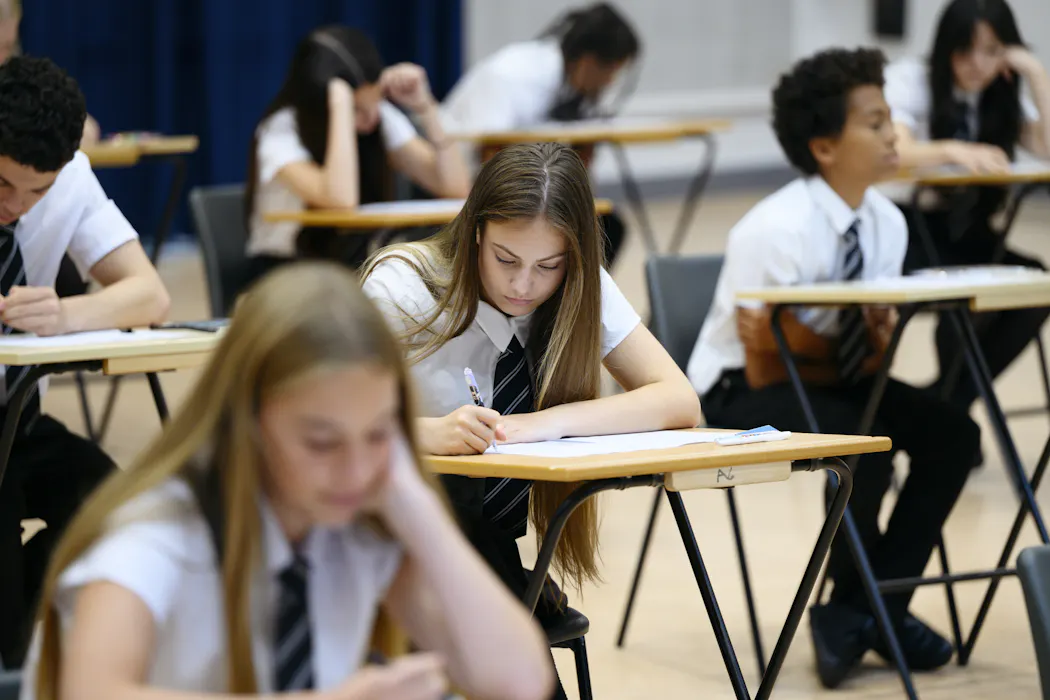
临床心理学家指出,考试焦虑在高风险考试中普遍存在,研究表明六分之一的学生在学校最后几年经历极端压力水平1。虽然过度压力会对学术表现产生负面影响,但适度压力能改善表现1。为帮助学生有效管理焦虑,专家提出了三种实用策略。
第一种方法是质疑负面思想1。当学生陷入悲观想法时,应主动审视这些想法的真实性和合理性。第二种方法是通过呼吸练习调节情绪,建议吸气数4,呼气数4,重复几轮后焦虑开始缓解1。第三种方法是制定考试计划1,使学生对考试过程有清晰的预期和掌控感。
此外,考试后进行运动能消耗压力激素皮质醇,帮助学生快速恢复1。如学生感到焦虑无法自我调节,可拨打澳大利亚求助热线Lifeline 13 11 14或Kids Helpline 1800 55 1800获取专业支持1。
Exam anxiety affects a significant portion of Australian secondary students, with research indicating that one in six students experience extreme stress levels during their final years of school.1 While excessive pressure can harm academic performance, moderate stress levels have been shown to improve it.1
Clinical psychologists have identified three evidence-based approaches to manage exam-related anxiety. The first involves questioning negative thoughts to reduce their grip on your mindset.1 The second focuses on controlling breathing patterns—specifically, inhaling for a count of four and exhaling for a count of four, with anxiety typically beginning to ease after several rounds of this practice.1 The third strategy emphasizes developing a concrete exam plan to approach assessments more systematically.1 Beyond these techniques, engaging in physical exercise after exams can help dissipate cortisol, the stress hormone, enabling faster psychological recovery.1
Students experiencing severe anxiety or other mental health challenges are encouraged to seek professional support through available helplines, including Lifeline at 13 11 14 and Kids Helpline at 1800 55 1800.1
评论
还没有评论,欢迎留下第一条。