在AI驱动的新时代,领导力的定义正在发生根本性转变。1 传统的"由内而外"管理模式——通过控制和指挥来运营组织——正逐步让位于"由外而内"的思维方式。1 这种新的领导范式强调对外部机遇和客户需求的敏锐响应,而非对既有假设的固守。1
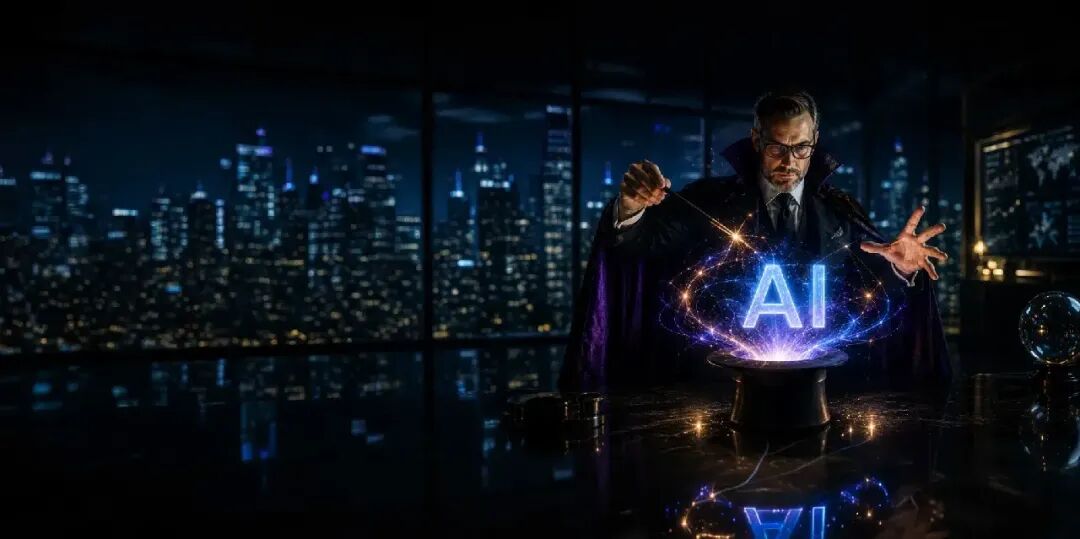
正如爵士乐传奇人物赫比·汉考克对迈尔斯·戴维斯的评价:"他招募了我们这群音乐家,却把我们变成了魔术师!"1 这句话揭示了新时代领导者的真实角色——通过赋能、创造和协作来激发组织创新,而非依靠权力和控制。1
领导力的核心内涵也在发生深刻变化。1 传统领导力强调掌握知识的重要性,但在知识快速迭代的时代,这个优势正在消退。1 领导者的首要任务不再是拥有答案,而是创造让构想落地生根的条件。1 更关键的是,未来的组织需要领导者培养持续的"学习能力",而非仅仅依赖"已知知识"。1 因为快节奏的环境正在急剧缩短知识的保质期,组织必须具备自我更新的能力。1 这也意味着未来CEO的核心问题不再是如何控制组织,而是如何架构一个能够持续学习、自适应的智能系统。1
The nature of organizational leadership is undergoing a fundamental transformation in the artificial intelligence age, requiring a shift from traditional command-and-control management toward what might be called a "magician" approach that emphasizes empowerment, creativity, and collaboration.1
This reimagined leadership model operates on an "outside-in" mindset rather than an "inside-out" one, prioritizing responsive engagement with external opportunities and customer needs over adherence to established assumptions.1 The core responsibility of future leaders is no longer about controlling organizational knowledge, but rather about architecting systems capable of continuous learning and self-adaptation.1 Jazz legend Herbie Hancock captured this concept when reflecting on his experience with Miles Davis, saying: "He recruited us musicians, but turned us into magicians!"1
As organizations navigate increasingly rapid change, the traditional asset of accumulated knowledge is losing value. Leaders must therefore cultivate learning capacity itself rather than rely solely on existing expertise, since the shelf life of knowledge continues to shorten dramatically in fast-paced environments.1 This shift in perspective aligns with the innovation waves that characterized the period from 1820 to the 1960s, which 2006 Nobel Prize-winning economist Edmund Phelps described as an era of "flourishing."1
评论
还没有评论,欢迎留下第一条。