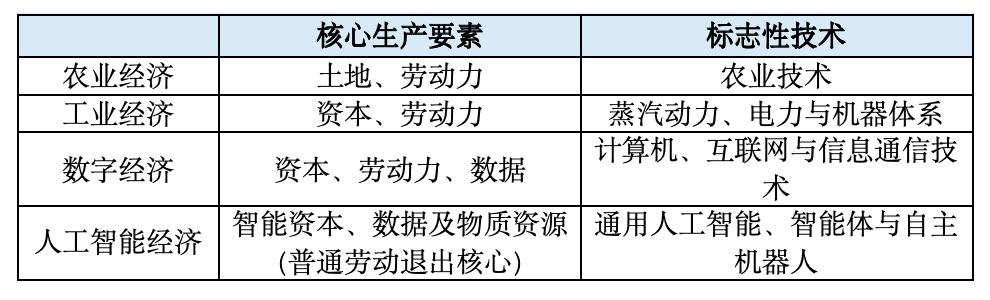
从宏观经济学角度看,人工智能经济的出现可能标志着经济增长逻辑的根本性转变。1其识别特征在于,普通劳动不再构成生产扩张的核心生产要素。1这一变化打破了传统经济循环——劳动投入产生工资收入,工资收入驱动居民消费,进而带动企业收入和投资增长的链条。1
与此同时,一个独立的机器部门循环正在形成。1人工智能投资增加推动算力和机器人扩张,机器能力的提升加剧了企业和国家间的竞争,从而促使更多人工智能投资涌入,形成自我强化的循环。1这一循环可能逐步脱离人类消费的制约,导致经济增长与人类福利出现持续背离。1
要判断这一拐点是否真正到来,需要关注四个关键信号:产出增长不依赖普通劳动投入;普通居民收入占比持续下降;人工智能投资在竞争缓和后仍能扩大;GDP增长与多数人福利出现持续背离。1面对这种可能的结构性变化,政策层面需要采取多管齐下的措施,包括扩大普通居民对智能资本的所有权、重构公共财政和服务体系、约束机器部门对稀缺资源的无边界扩张,以及推动收入与就业的脱钩。1
An analysis of the artificial intelligence economy from a macroeconomic perspective reveals a fundamental question about economic structure: whether current developments represent a cyclical K-shaped recovery or a historical inflection point in how economies function.1 The defining characteristic of an AI economy would be the removal of ordinary labor from the core production factors that drive economic expansion.1
Traditional macroeconomic cycles operate through a clear chain: labor inputs generate wages, which fuel consumer spending, which drives corporate revenues and profits, which then stimulate investment and employment.1 However, an alternative cycle could emerge in the machine sector, where AI investments increase computational power and robotics capacity, which in turn enhances AI capabilities, intensifying competition between enterprises and nations, thereby triggering further AI investment independent of human consumption patterns.1 This structural separation could lead to economic growth that decouples from the welfare of most citizens.1
To identify whether such an inflection point has been reached, economists can watch for four signals: economic output growth that no longer depends on ordinary labor input; a persistent decline in the income share of ordinary residents; continued expansion of AI investment even after competitive pressures ease; and sustained divergence between GDP growth and the welfare of the majority population.1 Policymakers responding to these dynamics have proposed several interventions, including broadening ordinary residents' ownership stakes in intelligent capital, reconstructing public finance and services, constraining the machine sector's boundless claims on scarce resources, and decoupling income and employment from productivity.1
评论
还没有评论,欢迎留下第一条。