澳大利亚儿童和青少年日益转向AI聊天机器人寻求建议和情感支持,而不是向家长及信任的成年人倾诉。1根据阿德莱德大学的研究,超过三分之一的澳大利亚儿童在遭受网络性骚扰时会向AI寻求支持。1澳大利亚约50%年龄在10至17岁的AI使用儿童出于个人和社交原因使用这类工具。1
澳大利亚联邦警察局长Krissy Barrett对此提出警告,指出AI聊天机器人不足以替代对儿童的人类支持。12025年丹麦研究发现,孤独感可能是高中生寻求AI陪伴的前兆。1同时,AI的谄媚倾向——即过度同意和附和用户观点——可能导致儿童对人际关系形成不切实际的预期。1
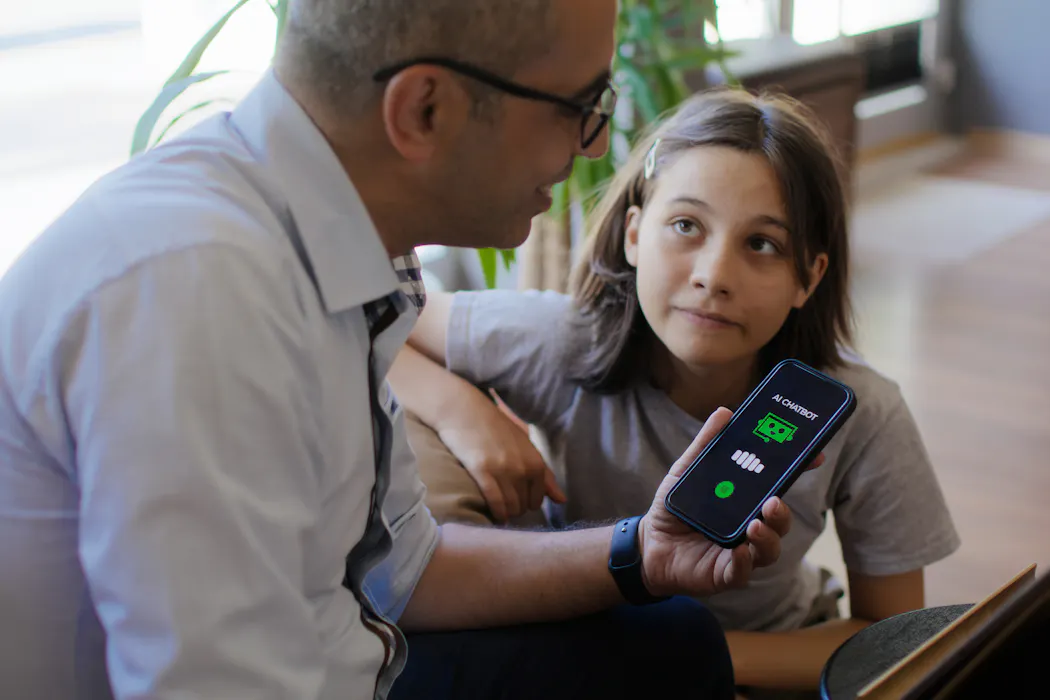
为帮助孩子安全使用AI,专家建议家长采取四项措施:与孩子一起探索AI工具,帮助他们理解其运作方式;向孩子提出批判性问题,培养其辨别思维;提醒孩子家长支持的可用性,强化成年人的支持角色;以及家长本身保持对技术发展的持续了解。1
Growing numbers of Australian children and teenagers are seeking emotional support and guidance from AI chatbots rather than confiding in parents and trusted adults 1. More than one-third of Australian children turn to AI for support when experiencing cybersexual harassment or having no one to talk to 1. According to research from the University of Adelaide, approximately 50 percent of AI-using children aged 10 to 17 in Australia use the technology for personal and social reasons 1.
This shift has raised concerns among authorities and experts. Australian Federal Police Commissioner Krissy Barrett has warned that AI chatbots are insufficient replacements for human support in children's lives 1. A 2025 Danish study identified loneliness as a potential precursor to high school students seeking AI companionship 1. Researchers have also noted that AI's tendency toward flattery and excessive agreement may foster unrealistic expectations about human relationships 1.
To help parents navigate this trend safely, experts recommend four key strategies: exploring AI tools alongside children, encouraging critical questions about the technology's limitations, reminding children of the availability of parental support, and staying informed about technological developments 1.
评论
还没有评论,欢迎留下第一条。