新西兰监管部门Medsafe在7月23日批准了呼吸道合胞病毒(RSV)预防药物尼塞韦单抗(Beyfortus)1,此举是该国应对RSV疫情加重而推进的监管改革的一部分。为加速药物审批,Medsafe于7月3日启动新的30天快速审批通道,合格申请可在该时限内获得决定1。
每年约1,800至2,000名五岁以下儿童因RSV住院,其中约一半为婴幼儿1。毛利人和太平洋岛民婴幼儿、贫困或拥挤家庭儿童受RSV影响尤为严重1。一项在线Horizon Research调查表明70%的受访者支持公共资助RSV免疫接种1。
然而,监管批准并未必然带来公共资助。尼塞韦单抗虽已获得Pharmac的推荐,但尚无广泛的公共资助承诺1。这反映出从审批加速到实际患者可及性之间存在的鸿沟。相比之下,澳大利亚已批准三种RSV预防药物并建立公共资助计划1。截至8月28日,Medsafe未公开发布新通道的相关数据1。
New Zealand's medicines regulator has accelerated its approval process for respiratory syncytial virus (RSV) prevention treatments amid rising disease burden, but questions remain about whether approved drugs will receive public funding.1 Medsafe approved nirsevimab (Beyfortus) on July 23 following the launch of a new expedited 30-working-day review pathway on July 3, designed to fast-track qualifying applications.1
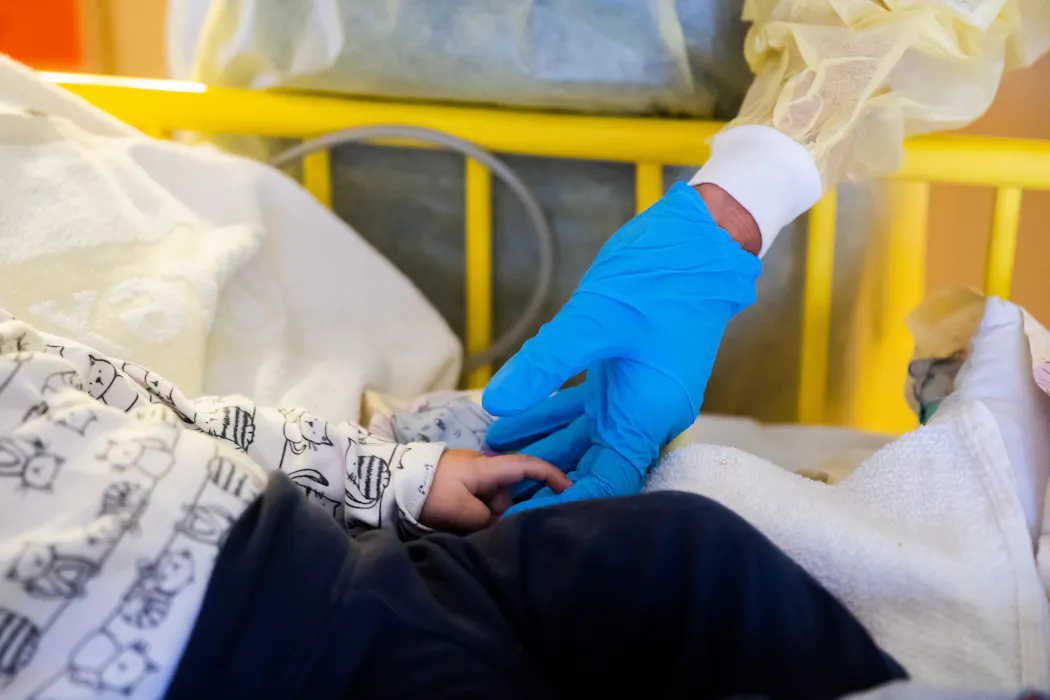
The policy shift comes as RSV infections place substantial strain on the health system and vulnerable populations. Approximately 1,800 to 2,000 children under five are hospitalized annually due to RSV, with roughly half being infants.1 Maori and Pacific Islander infants, as well as children from low-income or overcrowded households, face disproportionate impacts from the virus.1 A Horizon Research online survey found 70% of respondents supported public funding for RSV immunization.1
However, regulatory approval does not guarantee public reimbursement, as the independent funding body Pharmac must separately decide on subsidization.1 While nirsevimab has received a recommendation, no broad public funding commitment has been announced to date.1 By comparison, Australia has already approved three RSV prevention medicines and established a public funding scheme for them.1 As of August 28, Medsafe had not publicly released data on the new expedited pathway's usage.1
评论
还没有评论,欢迎留下第一条。