在书籍周期间,家长和照顾者不应忽视最小的读者。一项2022年澳大利亚研究表明,每天被阅读11分钟或以上的婴儿入学时的词汇技能强于每天被阅读10分钟或更少的婴儿1。这一发现强调了早期阅读接触对语言发展的重要性。
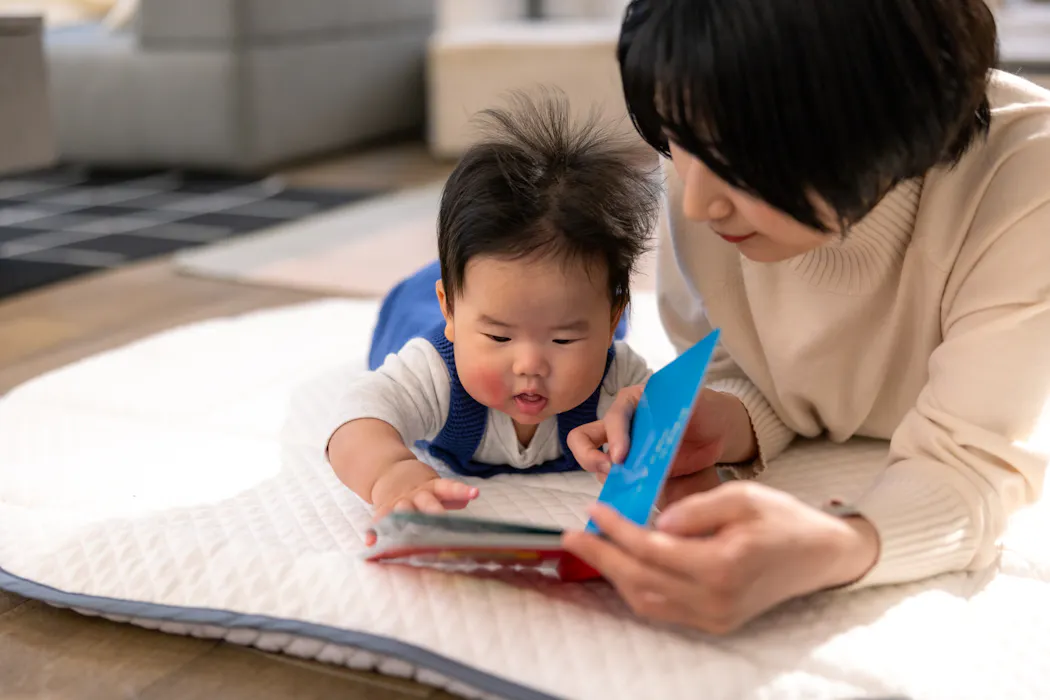
针对不同年龄段的幼儿,家长可采取有针对性的阅读策略。对于1-2岁的婴儿,应保持一对一的故事时间,围绕婴儿的兴趣和日常生活展开故事1。对于2-3岁的幼儿,则可使用不同的声音、手势、木偶和软玩具来增强阅读的吸引力1。
在书籍选择上,建议优先考虑包含熟悉日常活动(如吃饭、洗澡、睡觉)的书籍1。作者Alison Lester、Rosemary Wells、Julia Donaldson、Helen Oxenbury、Martin Waddell和Janet及Allan Ahlberg的作品被认为特别适合这个年龄段1。
Reading to babies and toddlers during Book Week offers significant developmental benefits that extend into their school years. An Australian study from 2022 found that infants who were read to for 11 minutes or more daily demonstrated stronger vocabulary skills upon school entry compared to those read to for 10 minutes or less each day 1.
For the youngest listeners, engagement strategies should be tailored to developmental stages. With babies aged 1 to 2 years, caregivers should maintain one-on-one storytime sessions that center on the child's interests and everyday experiences 1. Books featuring familiar daily activities such as eating, bathing, and sleeping prove particularly effective 1. As children progress to ages 2 to 3, caregivers can enhance engagement by employing varied vocal tones, gestures, puppets, and soft toys to maintain attention and deepen interaction 1.
When selecting books for these age groups, recommendations include authors such as Alison Lester, Rosemary Wells, Julia Donaldson, Helen Oxenbury, Martin Waddell, and Janet and Allan Ahlberg 1. These authors have crafted works well-suited to the cognitive and emotional capacities of very young readers, making storytime both enjoyable and developmentally enriching during Book Week and throughout the year 1.
评论
还没有评论,欢迎留下第一条。