新西兰气候变化委员会最新报告揭示该国在气候适应和减排方面存在严重不足。政府在自然灾害上的支出结构极度失衡,其中97%用于灾后应对和恢复,仅3%投入到减少未来风险的预防工作1。这一倾斜的投资格局凸显了新西兰应对气候挑战策略的根本问题。
减排目标面临的风险同样令人担忧。在2026-2030年的碳预算中,82%的减排目标有失现风险,而2031-2035年的目标风险更高,达到99%1。其中,运输部门是主要排放源,产生了新西兰55%的化石燃料碳排放1。数据显示,2025年新西兰进口了203,000辆化石燃料轻型车1,加重了减排压力。若保持2021年的原始清洁车辆标准,年二氧化碳排放本可减少500,000吨,同时可避免6.5亿美元的年度燃油成本1。
气候变化委员会主席西蒙·瓦茨提议的法律修改未能明确资金来源1。现行排放交易计划(ETS)仅覆盖新西兰36%的总排放1,覆盖范围有限。地方层面,南但尼丁约6,000户住房面临本世纪洪水和海平面上升风险,相关应对方案成本预计在20亿至100亿新西兰元之间1。
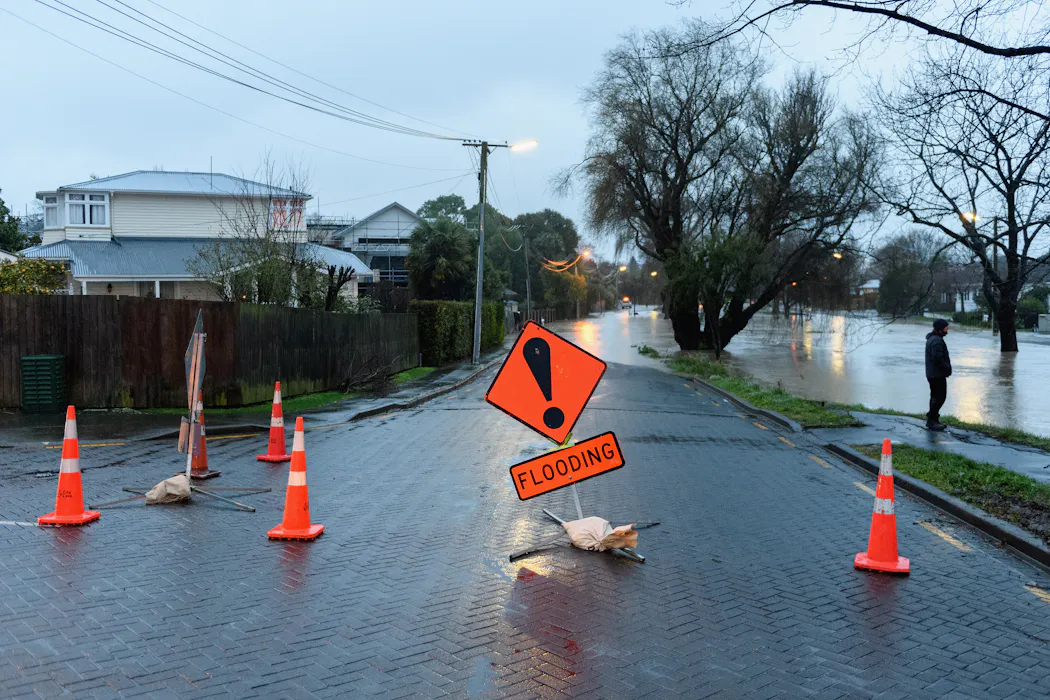
New Zealand is allocating the vast majority of its government spending on natural disasters to recovery efforts rather than prevention, according to findings from the country's Climate Change Commission. The commission's latest assessment reveals that 97 percent of disaster-related expenditure goes toward response and recovery, with only 3 percent directed toward reducing future risk.1
The imbalance reflects a broader pattern of inadequate climate action across the nation. Between 82 and 99 percent of New Zealand's carbon budget reduction targets for 2026–2035 face significant risk of not being met, with critical sectors including electricity, agriculture, and transport falling substantially behind on emissions reductions.1 The transport sector alone accounts for 55 percent of New Zealand's fossil fuel carbon emissions.1 In 2025 alone, the country imported 203,000 fossil fuel–powered light vehicles, a figure that underscores the continued reliance on high-emission transportation.1 Had New Zealand maintained its original vehicle emissions standards from 2021, annual carbon dioxide emissions would be 500,000 tonnes lower, potentially avoiding NZD 650 million in annual fuel costs.1
The emissions trading scheme currently covers only 36 percent of New Zealand's total emissions, leaving significant portions of the economy outside the climate mitigation framework.1 Immediate climate adaptation challenges are mounting. In Dunedin alone, approximately 6,000 homes face flooding and sea level rise risks this century, with response measures estimated to cost between NZD 2 billion and NZD 10 billion.1 Climate Change Commission Chair Simon Watts has proposed legal reforms to address these gaps, though the proposed amendments lack clearly identified funding sources.1
评论
还没有评论,欢迎留下第一条。