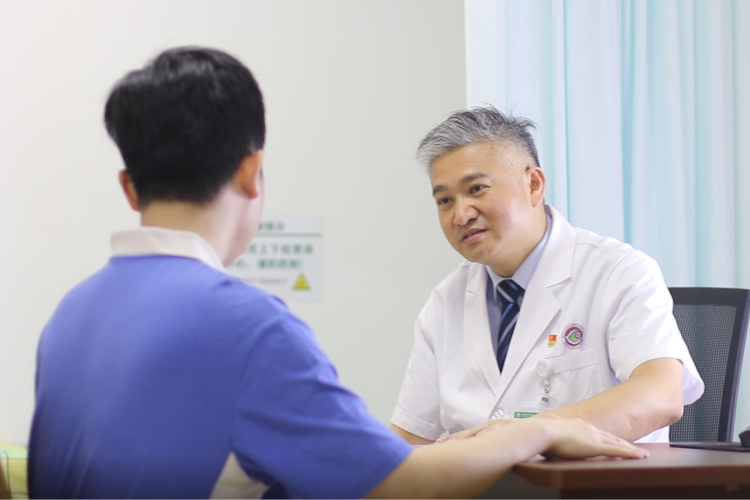
深圳市龙岗区人民医院脊柱外科副主任王德桂教授围绕青少年脊柱侧弯、年轻白领腰椎间盘突出和中老年骨质疏松等常见脊柱骨骼疾病,介绍了分阶段的诊疗和防护方案1。
针对青少年脊柱侧弯,治疗方案随病情程度而异1。脊柱侧弯在20度以内可通过习惯矫正和居家康复训练缓解;20至40度需定制矫形支具进行每日规范佩戴;超过40度则需进行脊柱侧弯矫形手术治疗1。对于年轻白领常见的腰椎间盘突出,轻症患者可采用卧床牵引、药物、针灸热敷等保守方式缓解;若经过6至12周的保守调理仍无改善且症状剧痛影响生活,则符合微创手术指征1。
骨质疏松方面,绝经5至10年的女性、70岁以上老年人、长期吸烟酗酒、缺乏运动日晒、常年服用激素类药物的人群属于高危群体1。王德桂教授强调:"想要稳住脊柱状态、避免畸形持续进展,居家日常养护与规律康复锻炼缺一不可"1。在日常护骨方面,建议每日补充钙片与复合维生素,搭配一杯牛奶、一个鸡蛋;每天保证一小时户外运动、一小时温和日晒;每年定期复查骨密度1。
Wang Deguang, Associate Director of Spine Surgery at Shenzhen Longgang District People's Hospital, has provided comprehensive guidance on protecting skeletal and spinal health throughout different life stages, addressing common conditions including adolescent scoliosis, lumbar disc herniation in young professionals, and osteoporosis in middle-aged and elderly populations.1
The expert outlined a tiered approach to managing spinal curvature in teenagers, noting that cases with less than 20 degrees of deviation can be managed through postural correction and home-based rehabilitation exercises.1 When curvature measures between 20 and 40 degrees, patients require custom orthotic braces worn daily according to a prescribed regimen.1 Spinal fusion surgery becomes necessary for curves exceeding 40 degrees.1
For lumbar disc herniation, Wang explained that mild cases typically respond to conservative treatment such as bed rest, traction, medication, acupuncture, and heat therapy.1 However, patients whose symptoms persist after 6 to 12 weeks of conservative management or who experience severe pain affecting daily function are candidates for minimally invasive surgical intervention.1
Wang emphasized that certain populations face heightened osteoporosis risk, including women 5 to 10 years past menopause, individuals over 70 years old, long-term smokers and heavy drinkers, those with sedentary lifestyles and insufficient sun exposure, and people on prolonged corticosteroid therapy.1
Regarding daily preventive care, Wang recommended daily calcium supplements combined with a multivitamin, alongside one glass of milk and one egg per day.1 He also advised one hour of outdoor activity daily with moderate sun exposure and annual bone density screening.1
"Maintaining spinal stability and preventing progressive deformity requires both consistent home care and regular rehabilitation exercises," Wang stated.1
评论
还没有评论,欢迎留下第一条。