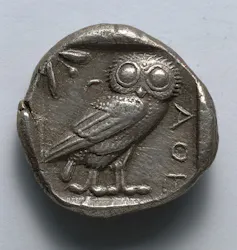
经济学家巴里·艾肯格林在新著《Money Beyond Borders》中分析了美元在国际金融体系中的长期前景。1根据历史记录,从古雅典的"猫头鹰币"到罗马第纳尔币、拜占庭索利都斯金币、佛罗伦萨弗罗林、西班牙里亚尔、荷兰盾再到英镑,国际货币的主导地位确实会代际更替,但这一衰退过程往往延续数个世纪。1
当前,美元在国际货币体系中的优势地位仍然突出。1美元占外汇市场约90%的交易量,占全球贸易发票的40%,并构成世界各国中央银行国际储备的大部分。1这种地位源于1944年布雷顿森林会议的决议,该会议确立了美元为战后国际金融体系的中心。1美元因此享受"不合理特权",使美国政府和企业能以更低的利率借贷。1
尽管美元的主导地位并非永恒,艾肯格林指出,当前没有其他货币具备填补美元空缺的能力。1欧元作为第二大国际货币远落后于美元,人民币的地位则更为落后。1
The United States dollar's position as the world's leading reserve currency will likely erode over time, though the process will unfold slowly across generations, according to a historical examination of international monetary systems.1 The dollar currently accounts for approximately 90% of foreign exchange market transactions and is used to invoice roughly 40% of global trade, while constituting the majority of international reserves held by central banks worldwide.1
Economist Barry Eichengreen explores this trajectory in his book Money Beyond Borders, drawing parallels to previous dominant currencies throughout history.1 From Athens's owl coins to the Roman denarius, Byzantine solidus, Florentine florin, Spanish real, Dutch guilder, and British pound, the supremacy of international currencies has shifted repeatedly—yet these transitions typically span several centuries rather than occurring abruptly.1 The dollar's preeminence was formally established at the 1944 Bretton Woods Conference, which centered the postwar international financial system around the American currency.1 This position has granted the United States government and corporations what economists term "exorbitant privilege," allowing them to borrow at lower interest rates than other nations.1
While Eichengreen acknowledges that the dollar's dominance is not permanent, he contends that no alternative currency currently possesses the capacity to replace it.1 The euro ranks as the second-largest international currency but trails far behind the dollar, with the Chinese yuan positioned even further back in the hierarchy.1
评论
还没有评论,欢迎留下第一条。