尽管投入巨大,大模型产业的技术差距已趋于微小,竞争优势转瞬即逝。根据斯坦福AI Index 2026报告,LMArena前四模型的Elo分差不到25分,在税务、金融、法律等测试中前15名模型的差距最小仅为3个百分点1。这种技术的快速同质化直接导致排名的频繁变动——过去39个月,LMArena榜首易主21次,平均在位时间不到两个月1。以Gemini 2.5 Pro为例,其用四分之一的价格实现了接近o3的性能,随后OpenAI将o3的API价格下调80%1。
价格战已成为行业的主要竞争手段。2024年5月,DeepSeek将API价格压至GPT-4 Turbo的百分之一,随后字节豆包宣称比行业便宜99.3%,阿里降价97%,百度的主力模型更是直接免费1。在这轮降价潮中,DeepSeek R1基座模型V3的训练成本仅约557万美元,只有GPT-4成本估算的十几分之一,其低成本优势也加剧了市场竞争1。Kimi K3的快速崛起也印证了这一点,其直接从第18名跃升至第11。
经过激烈的商业化竞争,行业格局正在整合。2025年1月,零一万物宣布放弃超大模型预训练,李开复称这一年为大模型的"商业化淘汰年"1。到2025年8月,超过七成厂商开始涨价以恢复利润1。在这一背景下,存活下来的公司正在调整盈利模式——真正的竞争优势已从模型能力本身转向企业客户留存、工作流切换成本和分发入口1。
OpenAI和Anthropic等闭源厂商的商业表现分化明显。OpenAI的年化收入在2026年2月突破250亿美元,但其9亿周活用户中仅约5900万为付费用户,毛利率从40%下滑至33%,预计2030年才可能扭亏1。相比之下,Anthropic近一年收入翻了近12倍,预计2026年三季度实现10亿美元GAAP息税前利润,年度经常性收入从2025年底的90亿美元飙升至逾600亿美元,净收入留存率超过500%1。
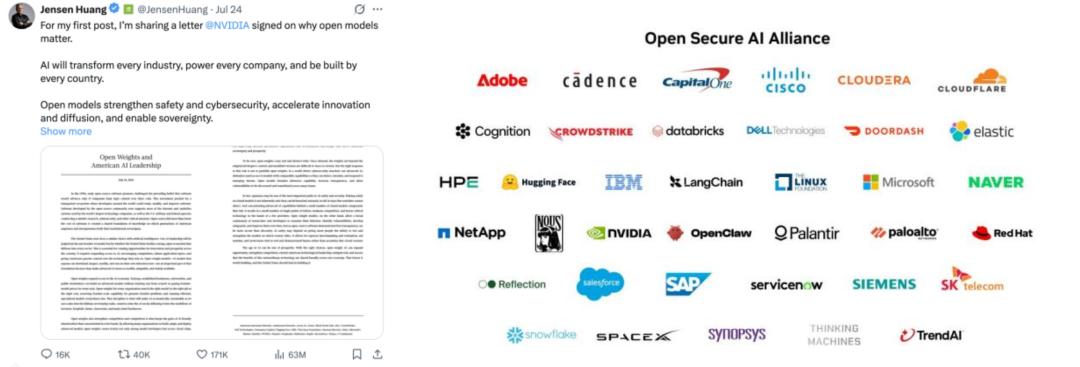
在开源模式的政策博弈中,英伟达CEO黄仁勋发布公开信《开放权重与美国AI领导力》,获得包括微软、Meta、IBM等77家机构的联署,反对限制开源模型1。与此同时,中国开源大模型的发展势头也不容忽视——累计开源137个模型约占全球四成,累计下载量超过100亿次,在OpenRouter上中国模型的调用量2月已反超美国模型1。
The large language model industry faces a paradoxical crisis despite massive capital expenditures: technological differentiation has narrowed dramatically while competitive pressures have intensified. According to Stanford's AI Index 2026 report, the performance gap between the top four models on LMArena measures less than 25 Elo points, with gaps as narrow as three percentage points across the top 15 models in taxation, finance, and legal testing 1. The leadership position itself has become unstable, with the LMArena ranking rotating through 21 different leaders over 39 months—averaging less than two months per reign 1. When Gemini 2.5 Pro achieved near-parity with o3 at one-quarter the price, OpenAI responded by slashing o3's API pricing by 80% 1.
The economics of model development have deteriorated sharply. DeepSeek's R1 base model V3 required training costs of approximately $5.57 million, roughly one-tenth to one-fifteenth the estimated cost of GPT-4 1. Yet competitive pressure has driven prices to unsustainable levels: in May 2024, DeepSeek reduced API costs to one percent of GPT-4 Turbo's rate, while ByteDance's Dou Bao claimed pricing 99.3% below industry standards, Alibaba cut rates by 97%, and Baidu announced free access to flagship models 1. This destructive competition prompted a strategic shift—by January 2025, Li Kaifu's Zero One Everything abandoned large-scale model pretraining, characterizing 2025 as a "commercial elimination year" for large models 1. Recovery followed: by August 2025, over 70 percent of vendors had raised prices 1.
Financial results reveal the underlying strain. OpenAI's annualized revenue surpassed $25 billion by February 2026, yet among 900 million weekly active users, only approximately 59 million paid subscribers exist 1. Gross margins contracted from 40% to 33%, with profitability not expected until 2030 1. Anthropic presents a contrasting trajectory: annual recurring revenue was projected to surge from $9 billion at year-end 2025 to over $60 billion in the second quarter of 2026 1. The company anticipated $1 billion in GAAP pre-tax income by the third quarter of 2026, with net revenue retention exceeding 500% 1.
The competitive battleground has shifted toward regulatory leverage and market access. NVIDIA's CEO Jensen Huang released an open letter on "Open Weights and American AI Leadership" signed by 77 institutions including Microsoft, Meta, and IBM, opposing restrictions on open-source models 1. Meanwhile, China has cumulatively released 137 open-source large models—approximately 40% of the global total—with over 10 billion total downloads 1. On OpenRouter, Chinese models surpassed American model invocations by February 1. The true competitive advantage has migrated from raw model capability toward enterprise customer retention, workflow switching costs, and distribution channels 1.
评论
还没有评论,欢迎留下第一条。