宝马集团宣布计划到2027年底前削减最多8000个办公岗位12,这是继大众、梅赛德斯等竞争对手之后,欧洲汽车制造商在中国竞争加剧背景下的最新成本控制举措。该公司在德国现有84000名员工,全球约154000名员工14,此次裁员约占全球员工总数的5.3%2。生产线员工将不受影响13,裁员主要集中在行政和研发等职能部门3。
这次减员计划将通过自然人员流失和自愿冗余方案实现1,自愿遣散方案面向2026年10月至2027年底期间符合条件的员工14。宝马新任首席执行官米兰·内德尔科维奇于5月上任3,他表示"公司需要对组织结构进行调整,以适应市场状况的急剧下滑"2。
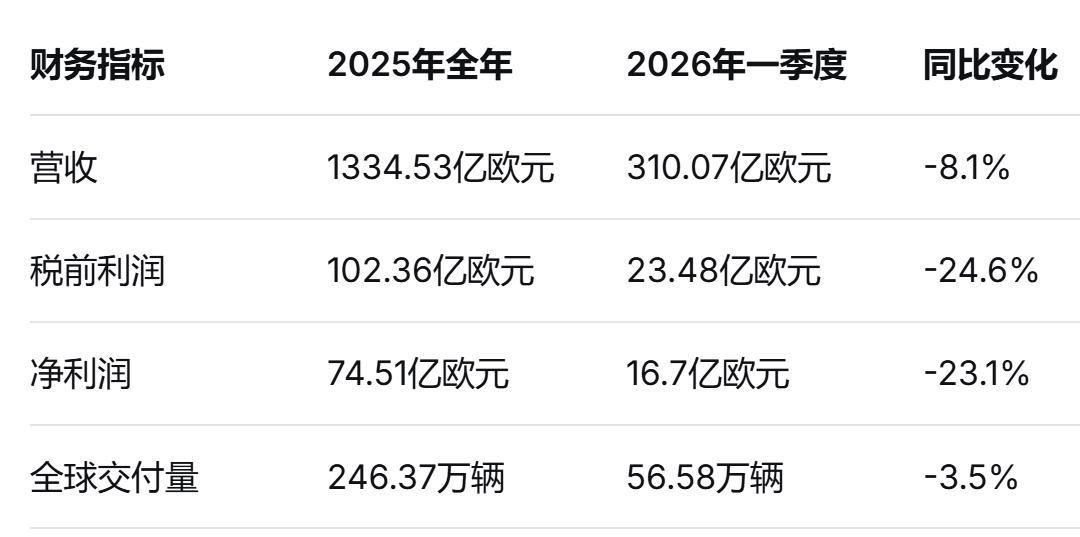
宝马的裁员决定反映了其面临的严峻市场形势。2025年公司营收为1334.53亿欧元,同比下降6.3%;税前利润为102.36亿欧元,同比下降6.7%2。在中国市场表现尤为困难,2026年上半年销量同比下跌20.4%至26.18万辆2,其中二季度单季销量同比下降30.2%至11.78万辆2。同时,宝马在华新能源汽车渗透率仅为6.2%,远低于中国市场整体62.8%的新能源渗透率2。在此背景下,宝马6月调整全年业绩指引,将汽车业务息税前利润率从4%-6%的区间下调至1%-3%2。
German automaker BMW announced plans to reduce its workforce by as many as 8,000 positions by the end of 2027, primarily affecting office and administrative roles while sparing production-line workers.14 The cuts will be achieved through natural attrition and a voluntary severance program running from October 2026 through the end of 2027, targeting non-production employees in Germany.14 With approximately 84,000 employees in Germany and roughly 154,000 globally, this reduction represents a significant restructuring for the company.14
The job cuts reflect BMW's struggle amid intensifying competitive pressures. The company's 2025 revenue fell to €133.453 billion, down 6.3 percent year-over-year, while pre-tax profits declined 6.7 percent to €102.36 billion.2 In the first half of 2026, Chinese sales plummeted 30.2 percent to 117,800 vehicles, with cumulative sales declining 20.4 percent to 261,800 units.2 This decline occurs as China's new-energy vehicle market penetration reached 62.8 percent in June, while BMW's new-energy penetration in China stands at only 6.2 percent.2 New Chief Executive Milan Nedeljković, who took office in May after previously serving as production head, stated that "the company needs to adjust its organizational structure to adapt to the sharp decline in market conditions."2
BMW's announcement follows similar workforce reductions announced by other major European automakers facing Chinese competition and shifting market dynamics.3 Volkswagen confirmed plans to cut as many as 100,000 jobs and close four factories, while Porsche agreed to cut an additional 5,000 positions.3
评论
还没有评论,欢迎留下第一条。