7月19日,清华深圳设计营创论坛在清华大学深圳国际研究生院举行1。本次论坛由清华SIGS未来人居研究院与英国AA建筑联盟学校联合主办1,汇聚来自全球10余个国家的顶尖学者和行业领军人物1,聚焦AI时代的建筑教育与设计实践1。参与者包括中国工程院院士庄惟敏、美国南加州大学建筑学院院长布雷特·斯蒂尔等权威专家1。
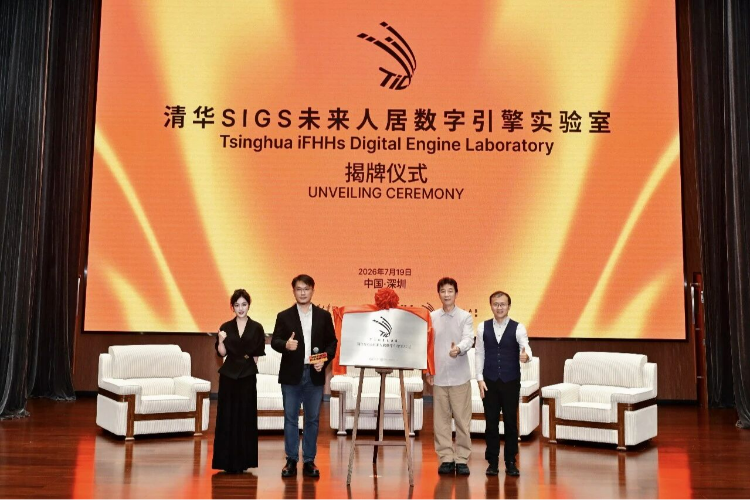
论坛期间,与会者围绕设计教育、AI对学科边界的重塑、跨学科教研模式和AI驱动的深度设计实践等议题展开讨论1。专家们达成重要共识:设计教育应培养学生深度设计意识与宽广问题视野1。为推进这一理念的落地,论坛揭牌成立了清华SIGS未来人居数字引擎实验室(TiDE Lab)1,该实验室致力于推动建筑、计算科学、设计等领域的深度交融1。实验室下设"深锐设计工作室"与"营造社"两大实践应用平台1。
On July 19, Tsinghua University's Shenzhen International Graduate School hosted the Design Camp and Creation Forum, bringing together leading scholars and industry pioneers to address how design education should evolve in the age of artificial intelligence 1. The event was jointly organized by Tsinghua SIGS Institute for Future Human Habitats and the UK's AA School of Architecture, drawing participants from more than a dozen countries worldwide 1.
The forum centered on architecture education and design practice as disciplines face fundamental reshaping by AI and computational tools 1. Key speakers included Chinese Academy of Engineering member Zhuang Weimin and Brett Steele, Dean of the School of Architecture at the University of Southern California, among other international experts 1. Throughout discussions, participants reached a shared consensus that design education must cultivate students' capacity for deep design thinking while simultaneously broadening their ability to tackle complex, multidisciplinary problems 1.
To institutionalize this vision, the event unveiled the establishment of Tsinghua SIGS Future Human Habitats Digital Engine Laboratory (TiDE Lab), aimed at fostering profound integration across architecture, computational science, and design disciplines 1. The laboratory operates through two applied platforms: the "Sharp Design Studio" and the "Building Society," positioning them to translate cross-disciplinary insights into practical design interventions 1.
评论
还没有评论,欢迎留下第一条。