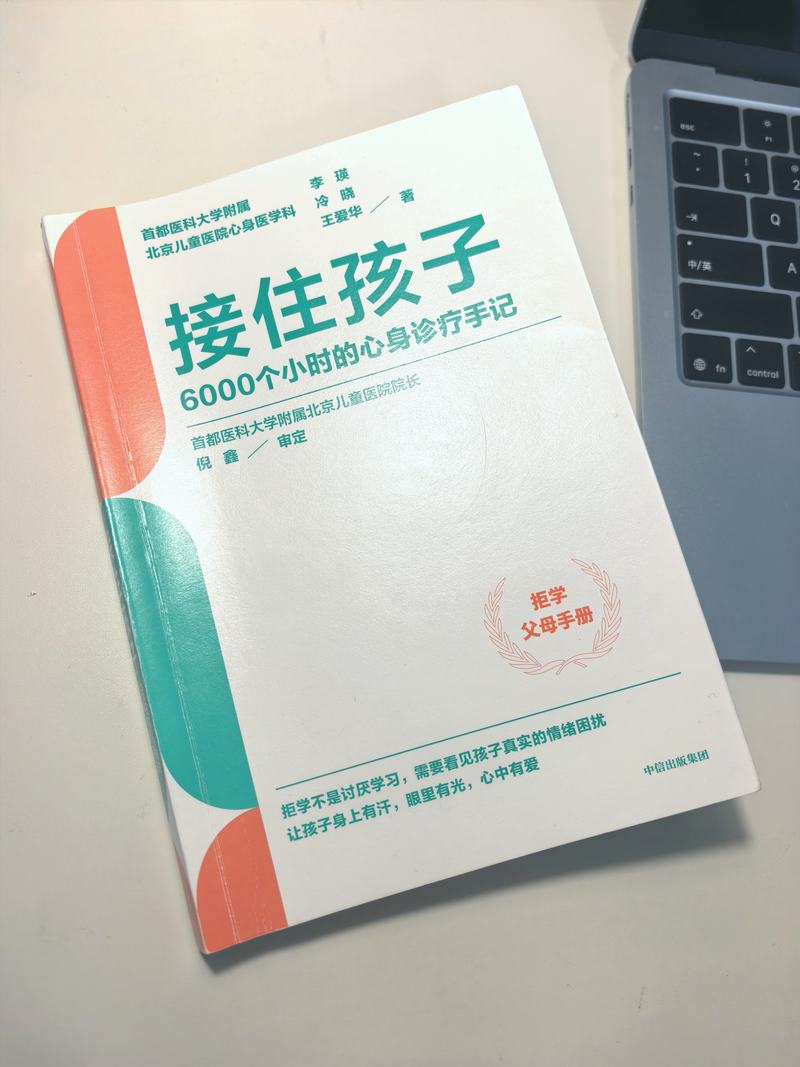
北京儿童医院心身医学科医生李瑛基于6000小时的临床诊疗经验指出,儿童及青少年出现的“学校出勤困难”并非单纯的厌学情绪,而是由学业压力、过度养育以及家庭系统失衡等多重因素交织而成的复杂心理问题 1。这一现象在2023至2024年间显著增加,不仅在中国,澳大利亚和日本等全球范围内受内卷和优绩主义影响的国家也呈现出类似趋势 1。随着新书《接住孩子》的出版,李瑛与另外两名医务人员共同分享了这些诊疗手记 1。
门诊数据显示,求助者的年龄和性别分布具有明显特征:12至16岁的女孩略多,主要困扰为情绪障碍;而12岁以下的男孩较多,其问题常与注意缺陷多动障碍(ADHD)及孤独症谱系障碍(ASD)相关 1。李瑛分析认为,造成这一现状的成因包括社会竞争激烈、过度养育导致孩子抗挫能力减弱,以及情感匮乏引发的亲子关系疏离 1。在治疗层面,除了药物治疗、个体或家庭心理治疗及物理治疗外,“父母心理学堂”也是关键环节 1。初步估算显示,坚持综合治疗的孩子中,约70%至80%能够成功返校或找到新的生活节奏 1。
复学过程通常被划分为四个阶段:混沌期(持续3至6个月)、始动期、家庭功能恢复期以及回归校园期 1。李瑛强调,解决出勤困难的核心在于父母需修复自身关系并调整互动模式,使家庭成为孩子的“充电站” 1。理想的亲子关系应以“界限”为核心,父母应作为独立个体存在,避免将自身焦虑投射给孩子,或让孩子承担夫妻矛盾的角色 1。常见的不良家庭模式包括“背锅侠”、“甩锅侠”、父亲疏离导致孩子补位以及亲子关系倒置等 1。
Li Ying, a physician at the Department of Psychosomatic Medicine at Beijing Children's Hospital, has identified that "school attendance difficulties" are complex psychological issues rather than simple reluctance to study. Drawing from approximately 6,000 hours of clinical experience, Li attributes these challenges to a combination of academic pressure, overparenting, and imbalances within family systems 1. The phenomenon saw a significant rise between 2023 and 2024, mirroring global trends influenced by intense competition and meritocracy in countries such as Australia and Japan 1. According to outpatient data, girls aged 12 to 16 slightly outnumber boys in cases primarily involving emotional disorders, while boys under 12 are more frequently associated with Attention Deficit Hyperactivity Disorder (ADHD) and Autism Spectrum Disorder (ASD) 1.
In her recently published book Catching the Child, co-authored with three medical professionals, Li outlines a four-stage recovery process for students returning to school: the chaotic phase lasting three to six months, the initiation phase, the family function restoration phase, and the return-to-campus phase 1. She emphasizes that resolving these issues requires parents to repair their own relationships and adjust interactive patterns, transforming the home into a "charging station" for the child 1. Li warns against dysfunctional family dynamics, such as one parent being blamed ("scapegoat"), another deflecting blame ("blame-shifter"), fathers becoming emotionally distant causing children to fill the gap, or parent-child roles being inverted 1. She advocates for clear boundaries where parents exist as independent individuals without projecting their anxiety onto children or forcing them to mediate marital conflicts 1.
Treatment approaches described by Li include medication, various forms of psychotherapy (individual, family, and group), physical therapy, and educational sessions for parents on psychology 1. She estimates that among those who persist with treatment, roughly 70% to 80% of children successfully return to school or find a new rhythm in life 1.
评论
还没有评论,欢迎留下第一条。