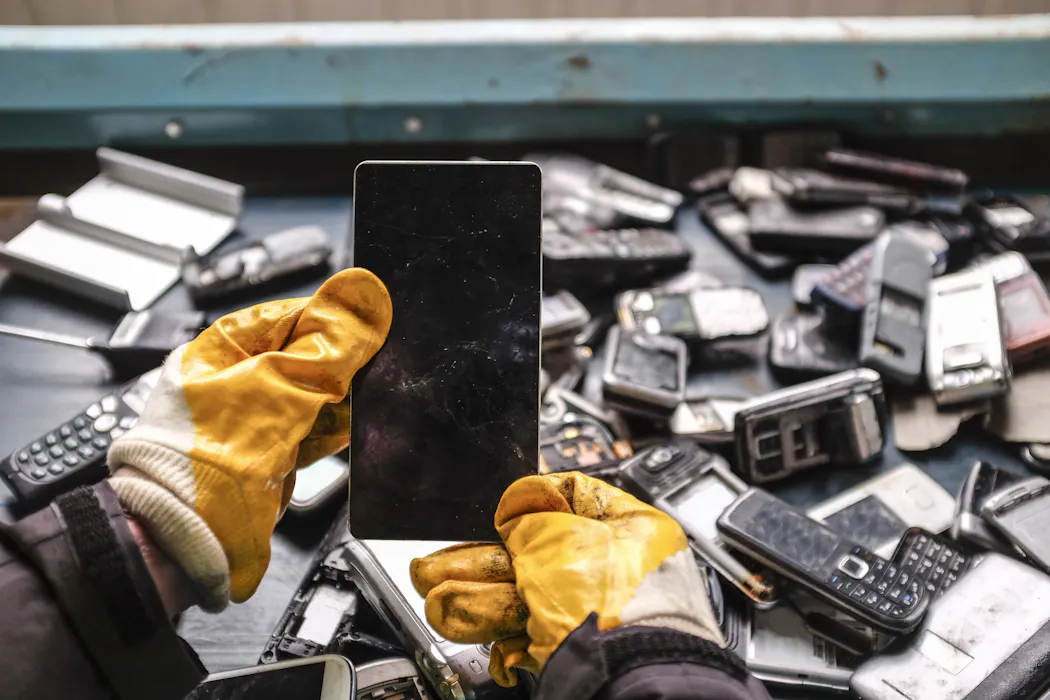
全球电子垃圾问题日益严峻,预计到2030年将产生8200万吨电子垃圾 1。在此背景下,消费电子产品的“计划性报废”现象受到广泛关注,制造商被指通过难以维修的设计、软件锁定以及心理营销等手段人为缩短产品使用寿命 1。数据显示,澳大利亚人产生的电子垃圾量几乎是全球平均水平的三倍,凸显了该地区在应对电子废弃物方面的紧迫性 1。
针对这一乱象,各国监管机构正通过立法和司法手段加以遏制。澳大利亚联邦法院判决苹果公司支付900万澳元赔偿金,理由是该公司对iPhone用户做出了虚假或误导性陈述,限制了用户在第三方维修后的保修权利 1。在欧洲,消费者权益组织投诉任天堂Switch控制器过早失效后,任天堂同意提供免费维修 1。此外,欧盟引入了“可修复性评分”制度,旨在帮助消费者更便捷地选择易于维修的产品,从而推动循环经济的发展 1。伍伦贡大学讲师Margherita Feleppa指出,面对日益严重的电子垃圾问题,亟需加强相关法律以规范制造商行为 1。
The lifespan of consumer electronic devices is increasingly being curtailed by manufacturers through difficult-to-repair designs, software lockouts, and psychological marketing tactics, a phenomenon widely referred to as planned obsolescence 1. This trend contributes to a severe global waste problem, with projections indicating that the world will generate 82 million metric tons of electronic waste by 2030 1. The issue is particularly acute in Australia, where residents produce nearly three times the amount of e-waste compared to the global average 1.
Legal and regulatory responses are emerging to address these practices. In Australia, the Federal Court ordered Apple to pay AUD 9 million in compensation for making misleading statements to iPhone users regarding warranty rights after third-party repairs 1. Similarly, following complaints from European consumer groups about the premature failure of Nintendo Switch controllers, the company agreed to offer free repairs 1. To further assist consumers, the European Union has introduced a "repairability score" system designed to help buyers identify products that are easier to maintain 1. These developments underscore the growing necessity for strengthened legislation to combat rising e-waste levels and promote a circular economy 1.
评论
还没有评论,欢迎留下第一条。