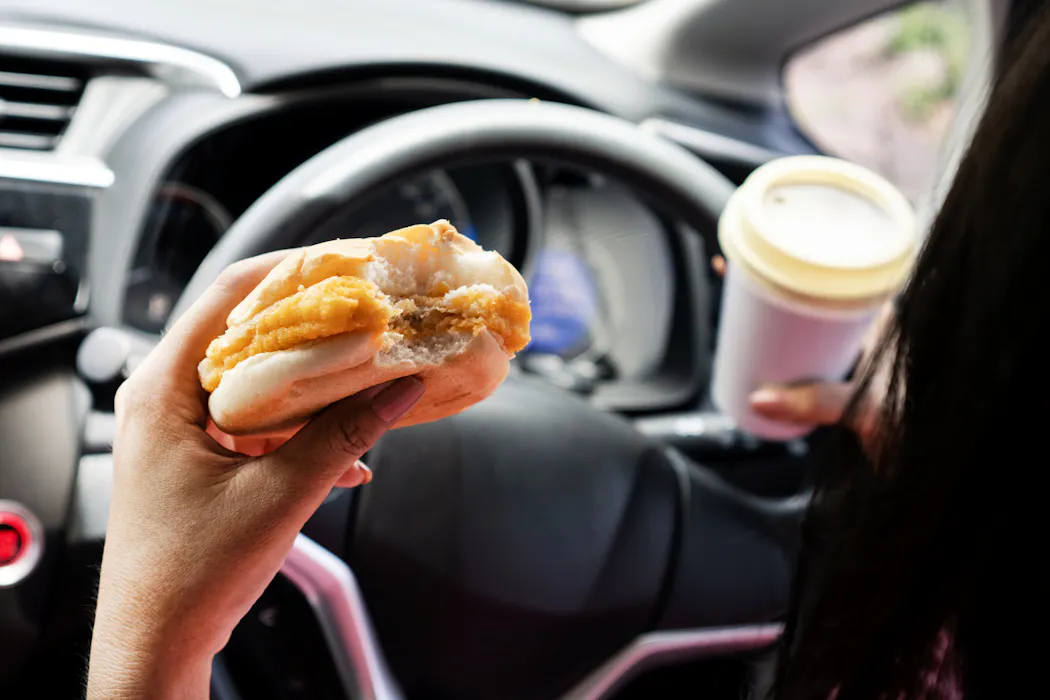
早晨进食的质量对健康的影响远大于一天中其他时间。研究表明,人体在早晨对食物的处理效率最高,此时进食与身体自然的睡眠-唤醒周期相符,有利于食物的有效代谢1。然而,早餐选择不当同样危害显著——一份早餐汉堡含有约11.5克糖,占成人日推荐能量摄入的36%(8,700千焦),可能导致血糖飙升和胰岛素抵抗1。
相比之下,晚间进食对人体昼夜节律的干扰更大1。夜间摄入食物会触发胰岛素飙升并延迟褪黑激素释放,进而干扰睡眠-唤醒周期1。因此,在适当的进食时间选择健康食物尤为重要。合理的早餐应包含优质蛋白质、全谷物、水果或蔬菜以及健康脂肪,其中高质量蛋白质消化速度较慢,能帮助维持更长时间的饱腹感1。
关于是否应该跳过早餐的问题,间歇性禁食的证据仍存在争议,且不推荐孕妇、儿童和某些正在用药的人群采用这一做法1。
The timing of when people consume unhealthy food appears to have significant implications for their health, with morning consumption presenting particular risks.1 A breakfast hamburger containing approximately 11.5 grams of sugar can account for 36% of an adult's recommended daily energy intake of 8,700 kilojoules.1 Eating high-sugar and high-fat foods early in the day triggers rapid blood glucose spikes and insulin resistance, whereas consuming high-quality nutrition in the morning aligns better with the body's natural sleep-wake cycle.1
The body processes food most efficiently during morning hours, when aligned with its circadian rhythm.1 In contrast, eating later in the day disrupts this natural cycle, causing sudden insulin surges and delaying the release of melatonin, the hormone that regulates sleep.1 A balanced breakfast should include high-quality protein, whole grains, fruits or vegetables, and healthy fats.1 Quality protein sources digest slowly, promoting satiety for extended periods.1
The evidence surrounding intermittent fasting remains contested and is not recommended for pregnant women, children, and certain individuals taking medications.1
评论
还没有评论,欢迎留下第一条。