新西兰发布的《大气与气候2026报告》揭示该国面临严峻的气候变化挑战。1自1909年以来,新西兰已升温1.36°C,其中过去十年中最热的七年均出现在2016年之后。1同期,Baring Head监测站测得的二氧化碳浓度自1972年上升30%,年增速自1960年代以来增加了两倍。1
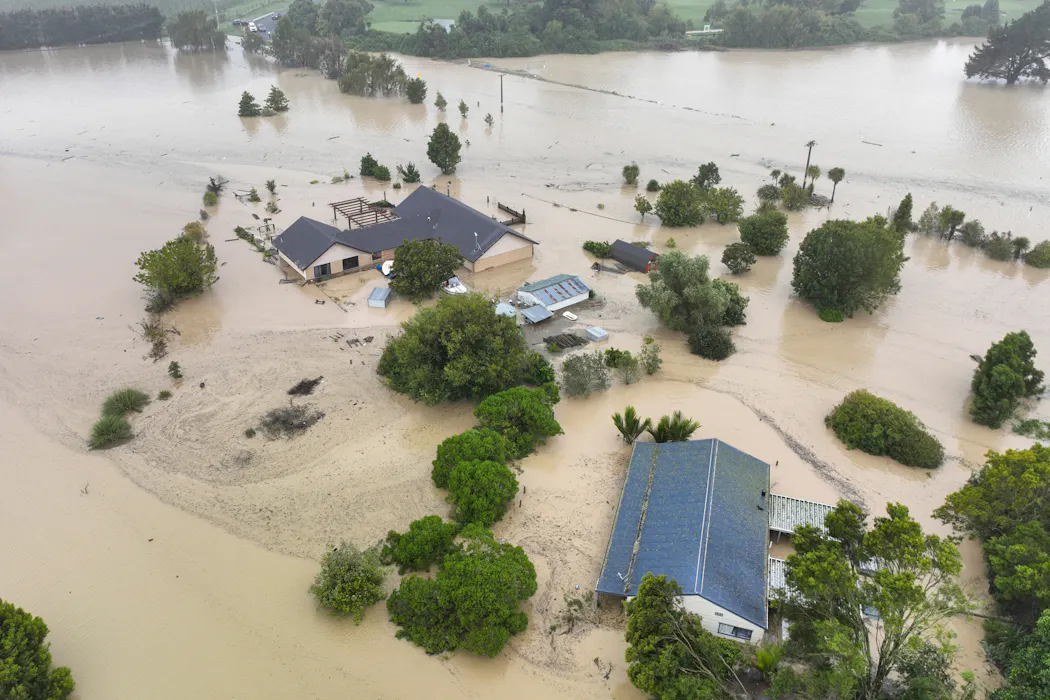
海洋变暖趋势尤为明显。1新西兰海洋表面温度比全球平均水平升温快34%,冰川储备面临严重威胁,预计本世纪将失去50-85%的剩余冰量,部分可能完全消失。1报告预警,未来新西兰将经历更加频繁的极端干旱、热浪和洪水等气候事件。1这些变化对农业、旅游等经济部门构成威胁,沿海社区的脆弱性尤其突出——超过80%的毛利家庭面临洪水风险。1
值得注意的是,新西兰人口仅占全球0.06%,却产生全球0.17%的排放量,人均排放量居全球前40位。1根据2015年《环保报告法》的要求,类似气候报告每三年发布一次,首份报告于2017年发布。1
New Zealand has released its latest climate assessment revealing alarming trends across multiple environmental indicators.1 The country has warmed by 1.36°C since 1909, with seven of the ten warmest years on record occurring after 2016.1 Carbon dioxide concentrations measured at the Baring Head monitoring station have risen 30 percent since 1972, with the rate of annual increase tripling since the 1960s.1 Ocean surface temperatures around New Zealand are rising 34 percent faster than the global average, significantly outpacing warming observed elsewhere.1
The report warns of escalating climate hazards in the coming decades.1 Glaciers are projected to lose between 50 and 85 percent of their remaining ice mass this century, with some potentially disappearing entirely.1 New Zealand faces intensifying risks from extreme droughts, heat waves, and flooding events, threatening key economic sectors including agriculture and tourism, as well as coastal communities.1 Over 80 percent of Maori households currently face flood risk, underscoring the unequal distribution of climate impacts.1 Despite comprising only 0.06 percent of the global population, New Zealand accounts for 0.17 percent of global emissions, placing it in the world's top 40 for per capita emissions.1
评论
还没有评论,欢迎留下第一条。