澳大利亚环境史学者南希·库欣指出,社会对入侵物种的道德评价并非基于物种本身的特性,而是取决于人类能否对其进行控制1。兔子、骆驼和狐狸等被引入澳大利亚的物种在受到人类管制时被视为有益资源,但一旦失控就被妖魔化为有害的入侵者1。这反映出人类根据自身利益而非任何客观标准来判断物种"好坏"的做法1。
澳大利亚威胁物种恢复中心将欧洲兔和狐狸、黑鼠、野猪、猫、山羊和牛列为最严重的入侵物种1。历史上,1859年引入的野生兔开始大量繁殖1,而1917年澳大利亚的骆驼数量曾达到近13000头,如今约有100万头自由放养骆驼在澳大利亚漫游1。1890年代东部州还将笑翠鸟引入西澳大利亚以控制蛇类1。库欣建议澳大利亚借鉴第一民族的管理经验,采用有选择性地移除活动物、狩猎食用和护林员干预等更为平衡的方式应对失控物种1。
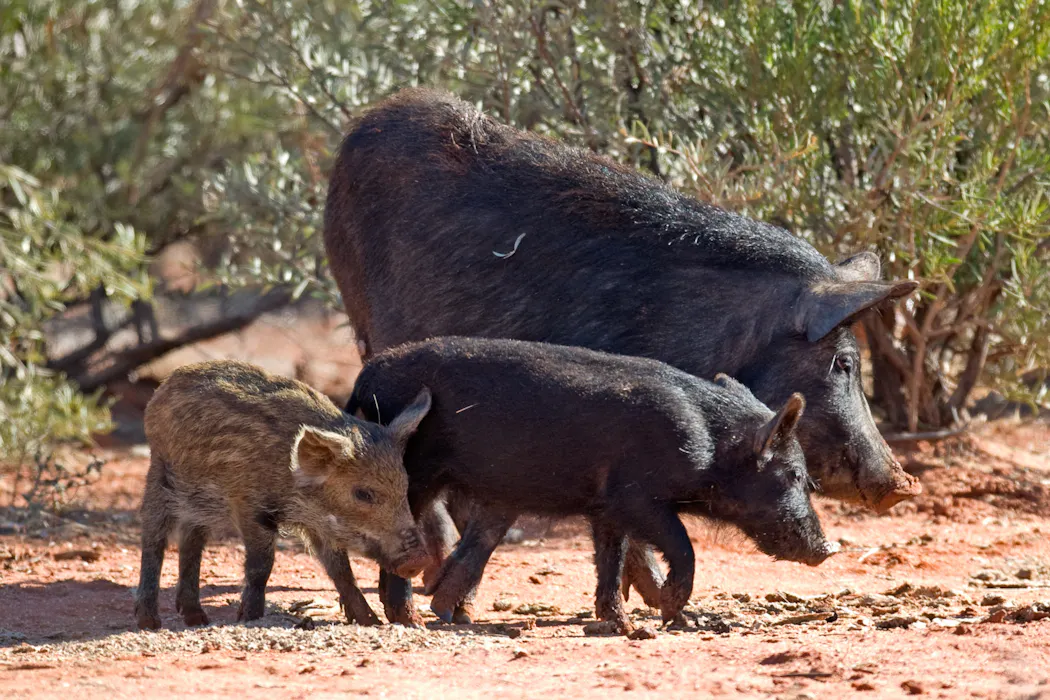
Introduced species in Australia face moral condemnation that shifts based on whether humans can manage them, rather than on any inherent characteristic of the species themselves.1 According to Australia's Threatened Species Recovery Centre, the most serious invasive species include European rabbits and foxes, black rats, wild pigs, cats, goats, and cattle.1
The shifting perception of introduced fauna reflects changing human interests across Australia's environmental history. Camels, initially imported and managed as livestock, numbered nearly 13,000 by 1917, but today approximately one million free-ranging camels roam the Australian landscape.1 Similarly, rabbits introduced in 1859 began reproducing rapidly out of human control.1 In the 1890s, kookaburras from eastern states were deliberately introduced to Western Australia to control snakes, yet these purposeful introductions are now viewed differently than uncontrolled populations.1 The white ibis, a coastal rarity before the 1980s, also demonstrates how species classifications change over time.1
Rather than inherently condemning introduced species, Indigenous groups have employed selective removal, hunting for food, and ranger-led intervention to manage species that have escaped human control.1 This approach suggests a more balanced framework for addressing the management of introduced fauna that acknowledges both ecological realities and human agency in determining which species are deemed beneficial or harmful.
评论
还没有评论,欢迎留下第一条。