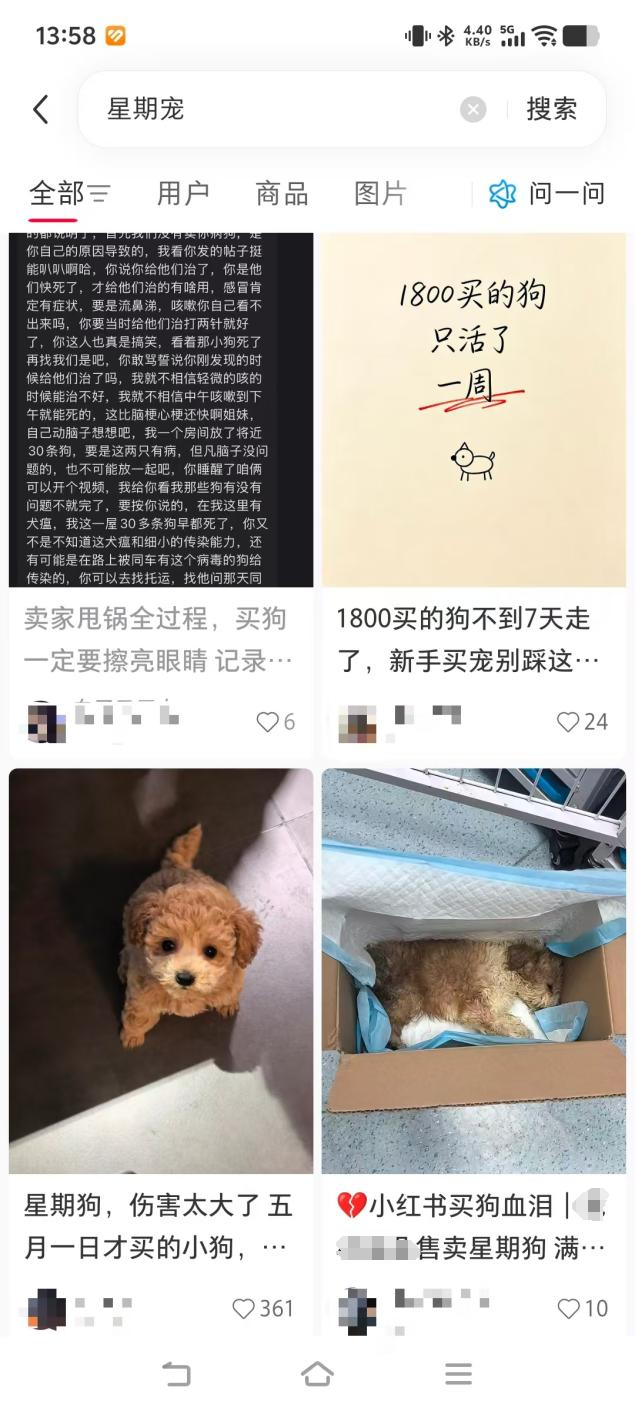
近期,新疆、江西等地消费者在社交平台购买宠物犬后短期内发现患病甚至死亡,引发广泛关注。关女士购买的伯恩山犬接回当天就出现拉稀、咳嗽症状,经确诊感染犬冠状病毒、滴虫、球虫等多种病原体,随后卖家将其拉黑1。万女士购买的白色博美犬在第二天确诊犬冠状病毒阳性,经过药物治疗后最终仍然死亡1。类似遭遇促使业界和法律专业人士寻求解决之道。
为规范宠物交易市场,中国礼仪休闲用品工业协会正式发布了《宠物犬猫交易管理规范》团体标准(T/CGLA 0005-2026),其中设置不少于15个自然日的健康保障期1。从法律角度看,中国政法大学教授焦海涛指出,线上宣传与事实不符、虚假宣传检疫资质、交付生病宠物等行为均构成《消费者权益保护法》中的"欺诈"1。市场监管部门可依据《消费者权益保护法》第五十六条或《反不正当竞争法》第二十五条对违规商家进行行政处罚1。
焦海涛建议消费者积极寻找"旁证"——即遭遇相同问题的消费者,多位消费者联合向消协投诉以增大胜诉可能性1。这一建议获得了司法实践的支持。一起案件中,消费者田某以600元购买边牧幼犬,4月14日发现患犬细小病毒,治疗费用达1954元,但犬只仍于4月17日死亡1。一审法院判决卖家返还购买款并赔偿2000元,二审维持了原判1。
Consumers in Xinjiang, Jiangxi, and other regions have encountered significant challenges after purchasing dogs through social media platforms, only to discover the animals fell ill or died within days of purchase.1 A consumer surnamed Guan purchased a Bernese Mountain Dog that developed diarrhea and cough on the day it was brought home, and was subsequently diagnosed with canine coronavirus, trichomoniasis, and coccidia; the seller then blocked her contact.1 Another consumer surnamed Wan purchased a white Pomeranian that tested positive for canine coronavirus the following day and died after medication treatment.1 A third case involved a consumer named Tian who purchased a Border Collie puppy for 600 yuan, discovered it had canine parvovirus on April 14, spent 1,954 yuan on treatment, and the dog died on April 17; a first-instance court ruled the seller must refund the purchase price and provide 2,000 yuan in compensation, with the ruling upheld on appeal.1
To address these disputes, the China Association of Etiquette, Leisure and Consumer Goods Industries formally released the "Management Specification for Pet Dog and Cat Transactions" (T/CGLA 0005-2026), which establishes a minimum health guarantee period of no less than 15 consecutive days.1 Professor Jiao Haitao of China University of Political Science and Law clarified that inconsistencies between online marketing claims and actual goods delivered, as well as the delivery of sick pets, both constitute fraud under the Consumer Protection Law.1 He noted that regulatory authorities can impose administrative penalties on sellers under Article 56 of the Consumer Protection Law or Article 25 of the Anti-Unfair Competition Law.1 Jiao advised consumers to seek out "corroborating evidence" by identifying other consumers who experienced the same problems, and to lodge joint complaints with consumer associations to increase their likelihood of success.1
评论
还没有评论,欢迎留下第一条。