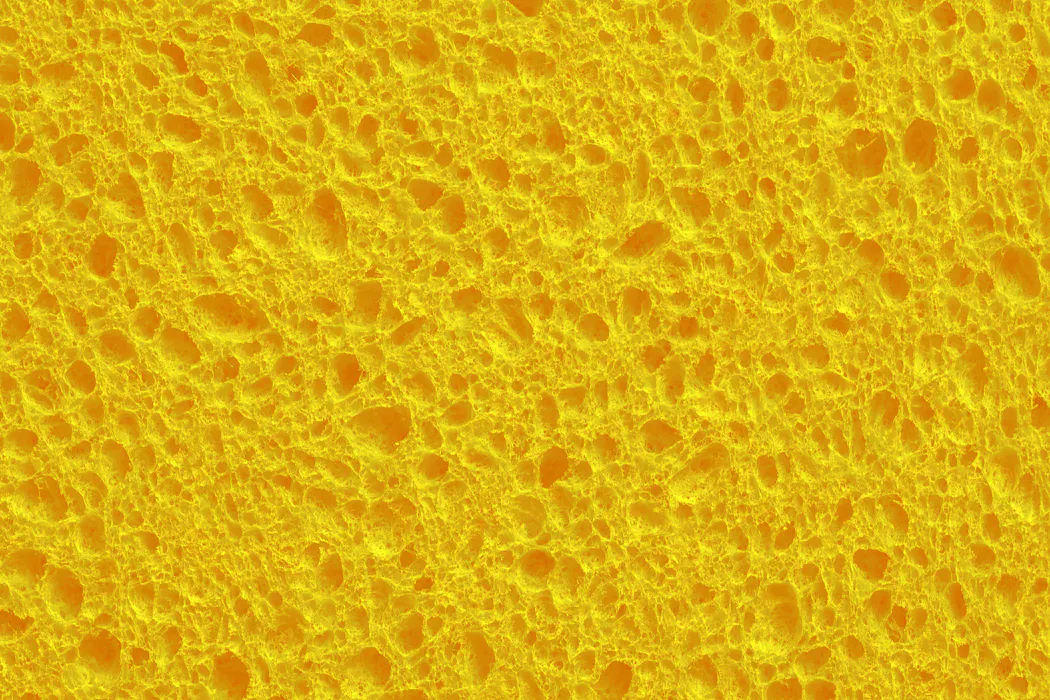
密集恐惧症是一种对孔洞或圆形图案的厌恶反应,在人群中并非罕见现象。1约六分之一的人对密集孔洞图案存在不同程度的不适感1,其中约四分之一有这类症状的人从未听说过"密集恐惧症"这一术语1。莲子荚、蜂窝、海绵、面包和泡沫等物体通常会触发这种反应1。近年来,一项2024年研究显示,近三分之二的人是通过社交媒体了解到密集恐惧症这一现象的1。
关于密集恐惧症的科学解释,研究人员提出了两种主要理论1。一种是威胁检测理论,认为这种厌恶反应源于人类进化过程中对危险动物图案的识别机制,类似于对毒蛇的警惕1;另一种是疾病避免理论,将孔洞图案与皮肤病变相联系1。值得注意的是,密集恐惧症目前并未被认可为独立的心理健康障碍1。对于患者而言,大多数症状轻微无需治疗,但严重者可寻求专业心理支持1。根据最近发表的研究,单次强化治疗对改善恐惧和厌恶反应效果显著,包括暴露疗法等循证治疗方法1。
Trypophobia—an aversion to holes or circular patterns—affects roughly one in six people to varying degrees.1 This phenomenon has gained widespread attention through social media, with a 2024 study revealing that nearly two-thirds of people learned about trypophobia via these platforms.1 While the condition is not recognized as a distinct mental health disorder, common triggers include lotus seed pods, honeycombs, sponges, bread, and foam.1
Scientists have proposed two primary explanations for the response. The threat-detection theory suggests the aversion stems from evolutionary mechanisms that helped humans identify dangerous animals with similar patterning, such as venomous snakes.1 Alternatively, the disease-avoidance theory attributes the reaction to patterns resembling skin lesions or infections.1 Most people with trypophobia experience mild symptoms requiring no intervention, though severe cases can benefit from professional psychological support, including evidence-based treatments such as exposure therapy.1 Recent research indicates that a single intensive treatment session significantly improves both fear and disgust responses.1 Notably, approximately one-quarter of people with trypophobia have never encountered the term itself.1
评论
还没有评论,欢迎留下第一条。