澳大利亚的租赁危机导致越来越多家庭频繁搬迁。1租住儿童平均每2.3年搬家一次,1超过30%的澳大利亚家庭租住房产。1研究表明,搬家会对儿童的心理健康和发展造成显著负面影响。1儿童在搬家期间可能出现专注力和学习能力的暂时性回退,1同时伴随如厕、睡眠、进食习惯改变,情绪波动加剧,以及对日常规律和亲子分离的适应困难。1
一些家长反映了搬家对孩子的具体影响。有家长表示:"他在情感上非常失控,经常发脾气,还出现了口吃。我们不知道如何在压力中支持他。"1另一位家长提到:"我们的大孩子经常要求回到我们上一个驻扎地,经常谈论他的'老朋友'……说他'很想念他们'。"1
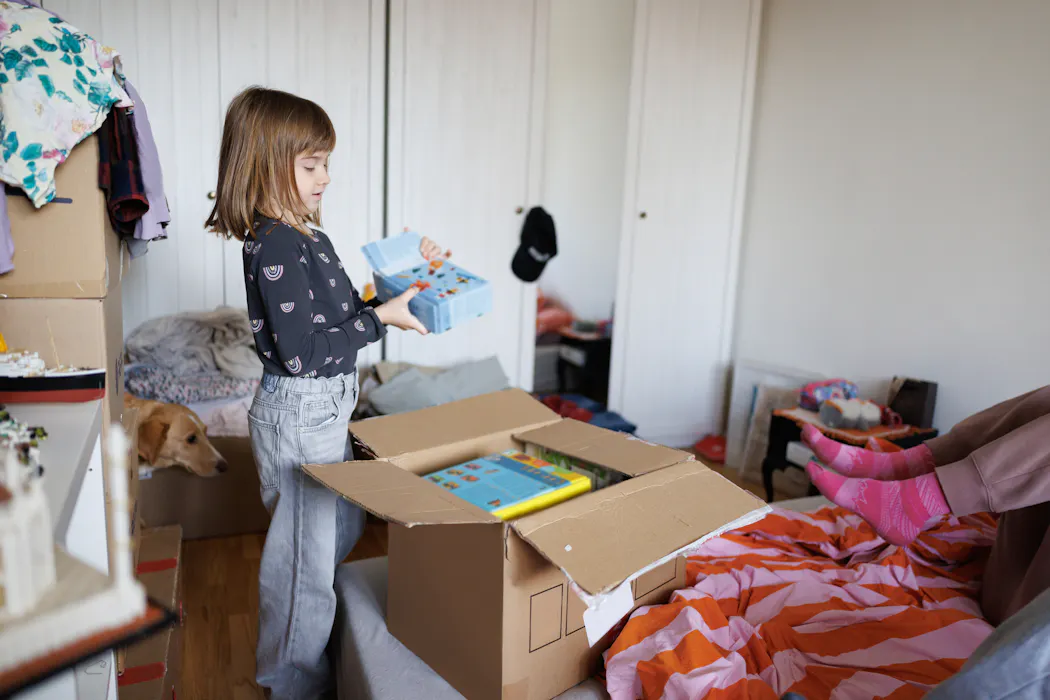
为帮助儿童度过搬家期间的压力,专家基于对澳大利亚国防军家庭的研究提出了多项实践策略。1这些方法包括温和告知孩子搬家的计划、提前研究和了解新社区、利用故事书讲述相关话题,以及通过游戏和角色扮演帮助儿童熟悉新环境。1
Frequent relocations are becoming increasingly common for families across Australia, with renting children moving on average every 2.3 years 1. Research indicates that household moves can negatively affect children's psychological well-being and development, manifesting in emotional dysregulation, declines in academic performance, and social withdrawal 1. These impacts extend to basic functioning, including disruptions to toileting, sleep, eating patterns, and difficulty adjusting to changes in daily routines and separation from caregivers 1.
Parents navigating these transitions report significant behavioral changes in their children. One parent described their child becoming "emotionally very out of control, having frequent tantrums, and developing a stutter," while struggling to provide emotional support during the upheaval 1. Another noted that their older child repeatedly requested to return to their previous location and frequently mentioned missing their former friends 1. Given that over 30% of Australian households rent their homes, supporting children through relocation has become an important parenting concern 1.
Experts recommend several practical strategies to help children cope with moving-related stress. These include gently communicating about the move in advance, researching the new community before relocating, reading age-appropriate stories about moving, and engaging in play-based role-playing activities 1. Such approaches, informed by research with Australian Defence Force families, can help children process their emotions and build familiarity with the transition ahead 1.
评论
还没有评论,欢迎留下第一条。