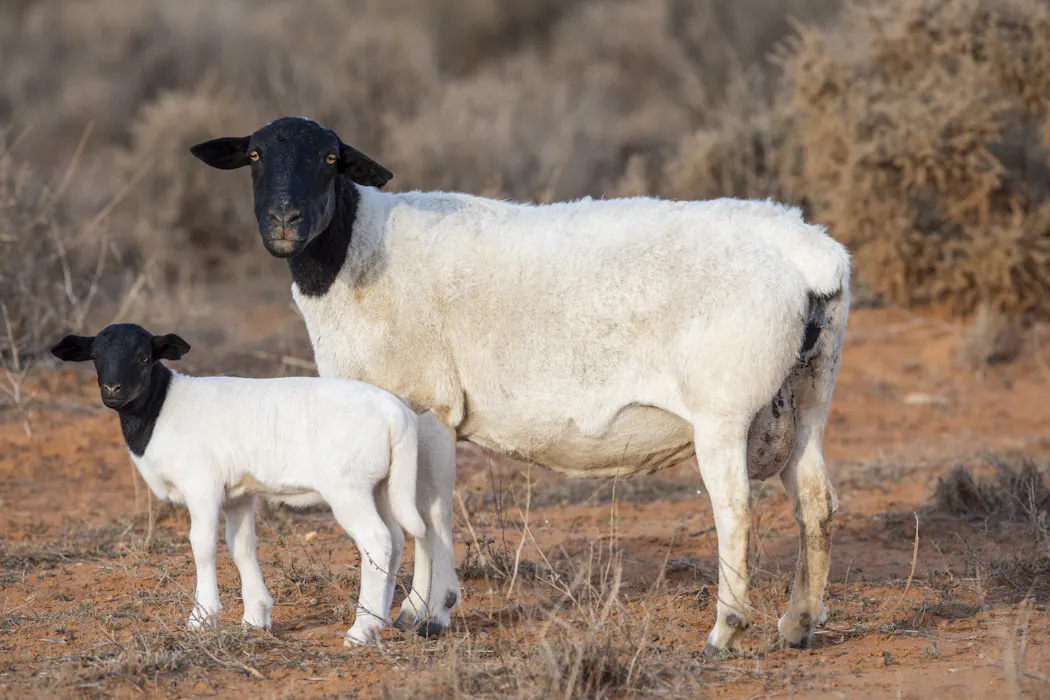
昆士兰州中西部布莱克尔附近一处农场在2月至5月期间遭窃5500只羊,损失价值约170万澳元,警方将其认定为一次组织严密的盗窃案件1。这起重大案件的曝光,使得长期被隐瞞的农场犯罪问题浮上水面。
研究数据表明,超过90%的澳大利亚农民经历过包括入侵、盗窃或非法狩猎在内的农场犯罪1。然而,仅有约30%的牲畜盗窃受害者选择向警方报案1,这导致官方统计严重低估了农场犯罪的实际规模。在维多利亚州莱克斯顿,一家农场曾在两年内三起事件中报告失窃1700多只羊1,进一步反映出这类犯罪的普遍性。
为应对这一挑战,相关部门正推进技术防护措施。从2027年起,澳大利亚大多数州和领地所有离开农场的羊和山羊都将需要配备电子识别标签1。在对20只羊的模拟盗窃测试中,电子警报系统在12分钟内发出警报,警方随后追踪了110多公里1,表明这类新技术在防止农场犯罪中具有显著效果。
A remote farm near Blackall in central-west Queensland lost approximately 5,500 sheep between February and May, with authorities valuing the stolen livestock at around 1.7 million Australian dollars 1. Police have characterized the incident as an organized theft operation 1.
The case underscores a significant gap between actual farm crime and reported incidents in Australia. Research indicates that over 90% of farmers have experienced farm crime, including break-ins, theft, or illegal hunting 1. However, only roughly 30% of livestock theft victims report the crime to police, resulting in substantial underreporting of farm-related offenses in official statistics 1. Another documented case involved a farm in Lexton, Victoria, where over 1,700 sheep were stolen across three separate incidents within two years as of 2025 1.
To address the problem, authorities are promoting technological solutions. Beginning in 2027, most Australian states and territories will require electronic identification tags on all sheep and goats leaving farms 1. In a pilot test involving 20 sheep equipped with monitoring technology, an alert was triggered within 12 minutes of a simulated theft, enabling police to track the animals over a distance exceeding 110 kilometers 1.
评论
还没有评论,欢迎留下第一条。