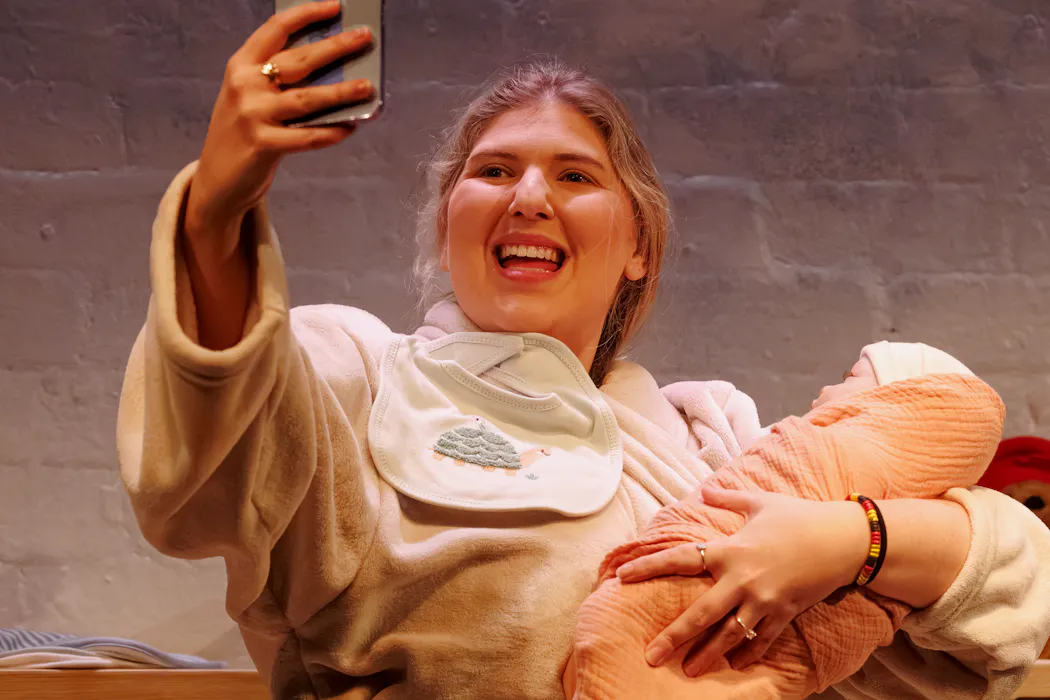
由编剧乔尔吉亚·吉利斯创作、伊恩·迈克尔执导的澳大利亚戏剧《妈妈俱乐部》正在悉尼贝卢瓦剧院下层舞台演出,将于9月20日落幕1。该剧以一位来自珀斯的玛图原住民母亲赛迪为主角,讲述她在悉尼内西区加入妈妈俱乐部寻求归属感的经历1。由斯蒂芬妮·萨默维尔饰演的赛迪与亚历克斯·马龙、鲁比·泰斯、扎里夫和梅根·威尔丁等演员共同演绎这部作品1。
这部戏剧通过讽刺和喜剧手法揭露了澳大利亚医疗系统中对原住民女性的种族歧视,以及白人女性主义对原住民母亲可能造成的伤害1。舞台设计师克里斯·鲍德温、灯光设计师维里蒂·汉普森和音效设计师布兰登·博尼等主创团队共同呈现了这部作品1。该剧展现了黑人女性间的姐妹情谊的力量,突出文化联系对当代原住民母亲的重要意义1。
Mum Club, a new Australian theatrical production, examines the experiences of Indigenous motherhood through the story of Sadie, a Martu woman from Perth navigating urban motherhood in Sydney's inner west.1 Written by Jorjia Gillis and directed by Ian Michael, the play uses satire and comedy to expose racial discrimination against Indigenous women within Australia's healthcare system and the ways white feminism can harm Indigenous mothers.1 The work celebrates the solidarity between Black women and underscores the importance of cultural connection for contemporary Indigenous mothers.1
The production features Stephanie Somerville in the lead role, alongside Alex Malone, Ruby Teys, Zarif, and Megan Wilding.1 The creative team includes set designer Cris Baldwin, lighting designer Verity Hampson, and sound designer Brendon Boney.1 Mum Club runs at Belvoir Downstairs in Sydney through September 20.1
评论
还没有评论,欢迎留下第一条。