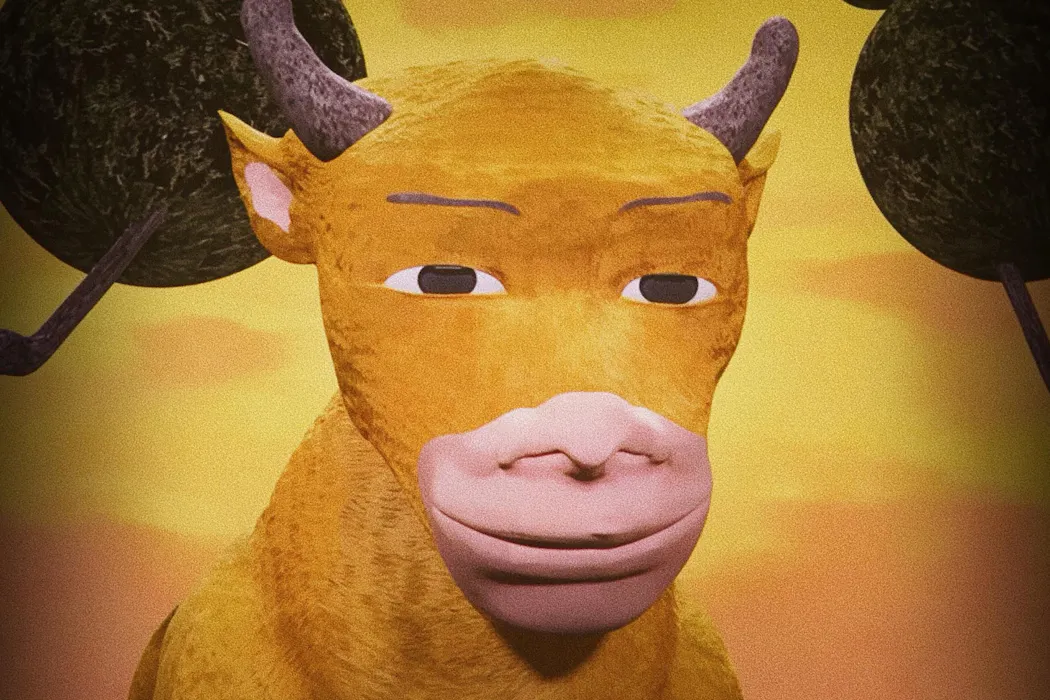
由34岁自学动画师信雨萌与其60岁母亲孙丽芳耗时5年联合制作的86分钟动画电影《牛来》,在中国票房市场上演了一场戏剧性的翻转。1这部作品在使用二手家庭电脑完成制作后,于2026年8月5日上映。1
首映初期,《牛来》的表现令人失望,首日票房仅为342元人民币,观影人数不足300人。1然而,这部电影粗糙的手工动画风格在网络上引发了广泛的嘲笑和二次创作,意外地转化为了病毒式传播的动力。1最终,《牛来》票房突破4500万元人民币,成为一部不可思议的票房黑马。1信雨萌来自中国东北大连,这也是他执导的首部长片。1
A low-budget animated film titled "Niu Lai" has become an unlikely box-office phenomenon in China, transforming from a near-total failure into a viral sensation.1 The 86-minute film was created over five years by self-taught animator Xin Yuemeng, 34, from Dalian in northeast China, and her mother Sun Lifang, 60, using a secondhand home computer.1 Upon its release on August 5, 2026, the film earned only 342 yuan (approximately $71 AUD) on its opening day and attracted fewer than 300 viewers in its first ten days, generating roughly 7,700 yuan (about $1,596 AUD) during that initial period.1
Rather than fading into obscurity, the film's rough hand-drawn animation style sparked ridicule and viral content creation online, propelling it into an unexpected cultural phenomenon.1 The momentum ultimately catapulted "Niu Lai" to a domestic box office exceeding 45 million yuan (approximately $9.3 million AUD).1
评论
还没有评论,欢迎留下第一条。