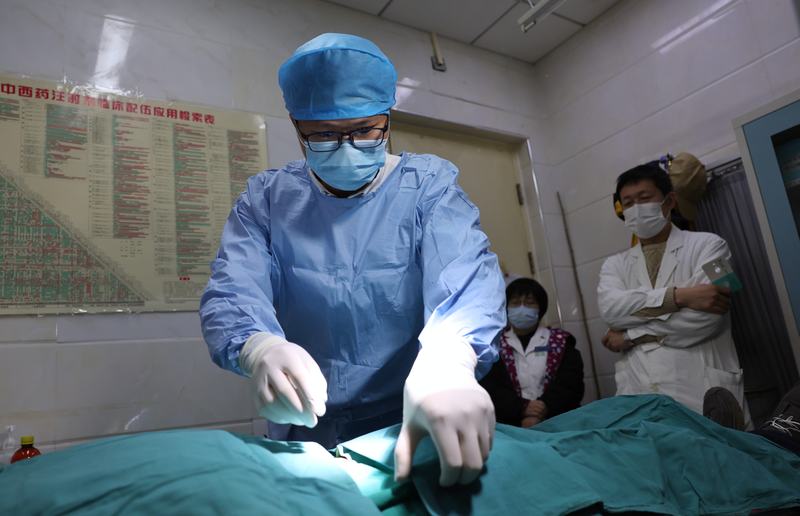
北京回龙观医院自2025年12月完成北京首例盐酸纳曲酮植入手术以来,已为50余名患者进行了手术1。该芯片在人体内缓慢释放150天,阻断酒精带给大脑的奖赏快感1。
在完成术后90天评估的33名患者中,19人实现完全戒酒,占比58%1;9人出现复饮但饮酒量明显下降,占比27%1;5人复饮情况未见改善,占比15%1。初期治疗总有效率达到85%1。这些患者平均年龄44.94岁,平均饮酒年限14年1。
医院专家杨可冰指出,"成瘾治疗没有包票可打"1。戒酒动机、人格特质、家庭支持等多因素影响治疗效果1。戒酒芯片不适合戒酒动机不强烈、人格特质明显、寄希望于手术解决所有问题的患者1。
Beijing Hui Long Guan Hospital has completed over 50 naltrexone implant surgeries since December 2025, marking the hospital's entry into pharmaceutical implant treatment for alcohol use disorder 1. Among the 33 patients who completed the 90-day post-operative assessment, 19 achieved complete abstinence, representing a 58% success rate 1. An additional 9 patients showed significant reduction in alcohol consumption despite experiencing relapse, accounting for 27% of those evaluated 1. The remaining 5 patients showed no improvement in their drinking patterns 1. Overall, the initial treatment efficacy rate reached 85% 1.
The patient cohort had an average age of 44.94 years with an average drinking history of 14 years 1. According to Dr. Yang Kebing, the naltrexone implant is not suitable for all patients, particularly those lacking strong motivation to quit, those with pronounced personality disorders, or those hoping surgery alone will resolve their addiction 1. The medication functions by slowly releasing naltrexone over 150 days in the body, blocking the rewarding sensation alcohol produces in the brain 1. Medical experts emphasize that addiction treatment offers no guarantees, with factors including abstinence motivation, personality traits, and family support significantly influencing treatment outcomes 1.
评论
还没有评论,欢迎留下第一条。