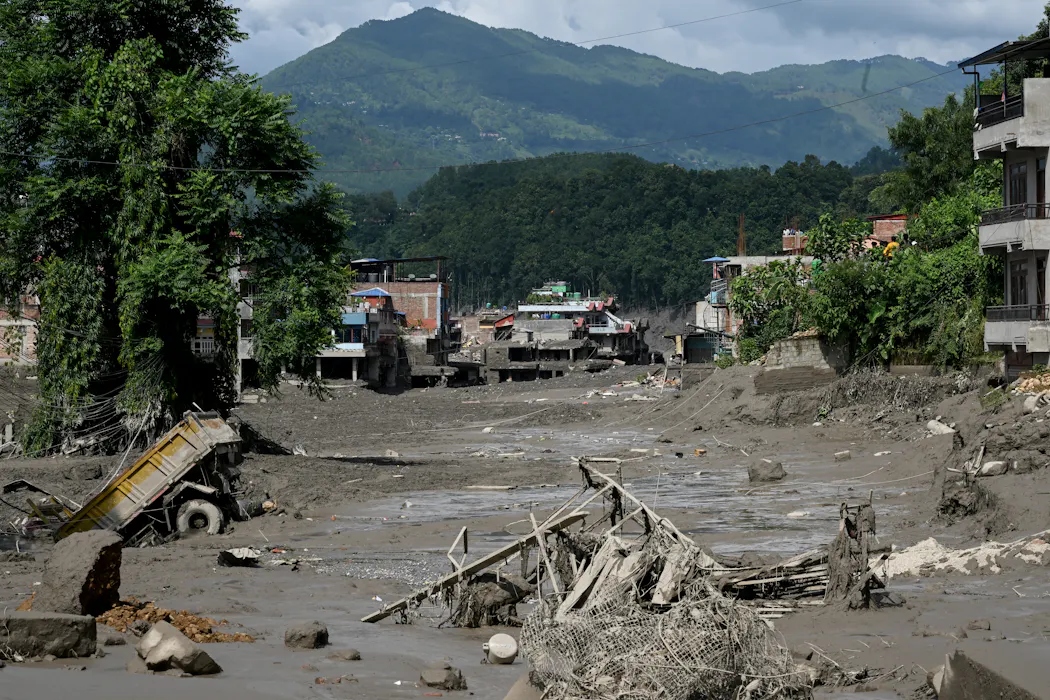
尼泊尔博特科西河谷发生大规模冰川崩塌引发的山洪泥石流灾难,造成150多人死亡、数百人失踪1。其中至少34名澳大利亚人失踪1。据地震计测量,此次事件产生了4.4级地震强度1,水、冰、泥土和岩石组成的巨大浪潮沿河谷向下冲击超过170公里1,泥浆海啸高度估计约30米1。
专家分析认为,气候变暖是这场灾难的关键触发因素1。喜马拉雅山冰川因全球升温而加速退缩、永久冻土加速融化,导致山坡不稳定性增加,最终引发冰川和岩石大规模滑坡1。这一事件凸显了早期预警系统的重要性——瑞士在去年冰川崩塌摧毁村庄时因及时预警而避免了人员丧生1。相比之下,尼泊尔同地区2024年较小规模洪灾造成9人死亡1。绿色气候基金去年宣布为尼泊尔的监测系统提供资金1。喜马拉雅冰川融水为尼泊尔、巴基斯坦、印度和中国数十亿人口供应水资源1。
A catastrophic glacial collapse in Nepal's Bhote Kosi Valley has claimed more than 150 lives, with hundreds reported missing, including at least 34 Australians.1 A massive torrent of water, ice, mud, and rock surged down the valley for over 170 kilometers, devastating communities along its path.1 Seismic instruments recorded the initial event at 4.4 magnitude, while the resulting mud tsunami reached an estimated height of approximately 30 meters.1
Scientists attribute the disaster to climate-driven changes in the Himalayan region.1 Warming temperatures have accelerated glacier retreat and thawed permafrost in the high mountains, destabilizing slopes and ultimately triggering the large-scale collapse of ice and rock.1 This tragedy underscores the urgent vulnerability of high-altitude areas to climate impacts, a reality starkly illustrated by contrasting outcomes elsewhere: when a Swiss glacier collapsed last year and destroyed a village, early warning systems prevented any loss of life.1 The region experienced a smaller-scale flooding event in 2024 that killed 9 people, yet the latest disaster demonstrates the severe consequences of inadequate preparedness infrastructure.1 The Green Climate Fund announced funding last year for Nepal's monitoring systems, though experts emphasize the critical need for greater investment in early warning capabilities.1 The meltwater from Himalayan glaciers supplies drinking water and irrigation to billions of people across Nepal, Pakistan, India, and China, making the stability of these ice masses a transnational concern.1
评论
还没有评论,欢迎留下第一条。