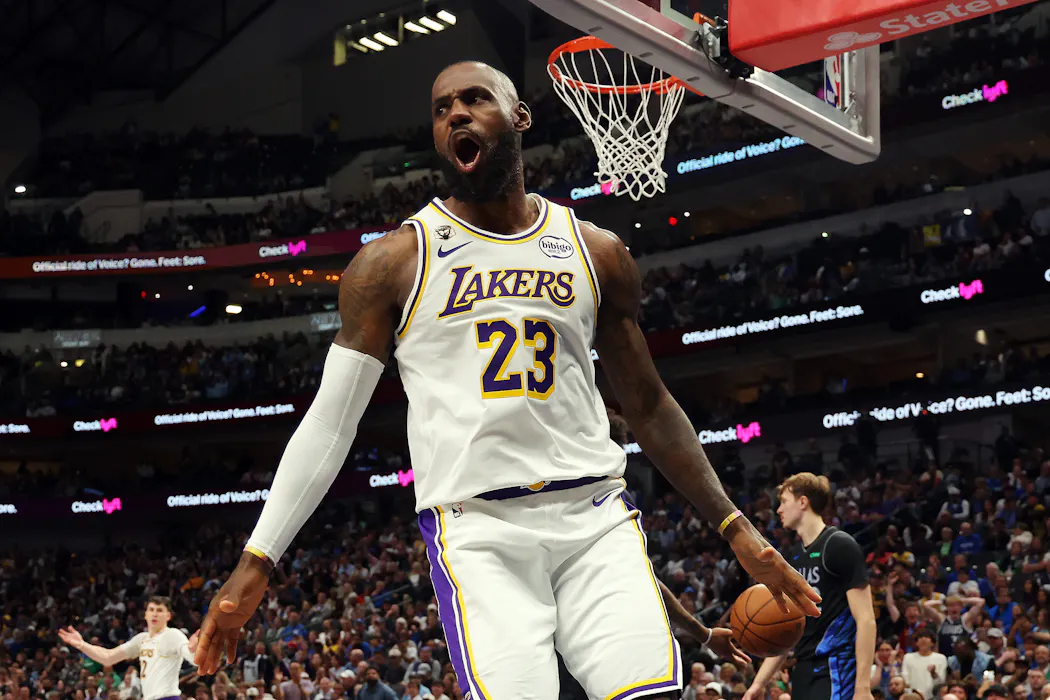
一些职业运动员在中老年阶段仍保持着令人瞩目的运动表现。41岁的篮球明星勒布朗·詹姆斯本赛季平均每场得分20.9分、送出7.2次助攻,正进行其职业生涯第23个赛季1;44岁的橄榄球运动员马亚·诺努近期代表南非职业橄榄球队鲨鱼队对阵全黑队出场1;41岁的耐力跑运动员考特尼·道沃尔特赢得了2026年哈德洛克百英里耐力跑1;足球运动员三浦和义现年59岁,仍在职业生涯的第42个赛季继续出战1;39岁的梅西和41岁的克里斯蒂亚诺·罗纳尔多均参加了本年度FIFA世界杯决赛1。
虽然这些运动员属于例外,但他们的案例说明了人体在衰老过程中仍具有适应训练的能力。科学研究表明,老年人可以在有氧运动和力量方面取得重大改善,有意义的适应可以持续到70岁以后1。这意味着衰老不必导致体能衰退,普通人通过适当的运动同样可以在中老年阶段保持体能和力量。然而,全球发达国家中年和老年人的不活动率约占40%,表明许多人尚未充分认识到运动对健康衰老的重要性1。
Professional athletes across multiple sports continue to demonstrate elite performance well into their 40s and beyond, offering insights into how physical capabilities can be maintained during aging. LeBron James, at 41 years old, is averaging 20.9 points and 7.2 assists per game in his 23rd NBA season1. Similarly, Ma'a Nonu, a 44-year-old rugby player, recently competed for the Sharks against the All Blacks in professional rugby1. Other notable examples include Courtney Dauwalter, who at 41 won the 2026 Hardrock 100-mile ultramarathon1, and Kazuyoshi Miura, continuing his professional football career in its 42nd season at age 591. Lionel Messi and Cristiano Ronaldo competed in this year's FIFA World Cup final1.
While these athletes represent exceptional cases, research demonstrates that their continued success reflects broader possibilities for aging populations. Studies show that older adults can achieve significant improvements in aerobic fitness and strength, with meaningful adaptations continuing well beyond age 701. Despite this evidence, approximately 40 percent of middle-aged and older adults in developed nations worldwide remain physically inactive1. The examples set by these high-performing athletes underscore that aging does not necessarily entail decline, and that appropriate training can help maintain both physical capacity and strength throughout the middle and later stages of life.
评论
还没有评论,欢迎留下第一条。