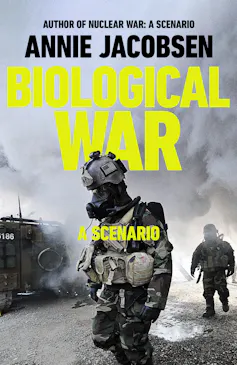
作家安妮·雅各布森推出新著《生物战争:一个情景》,以逼真的虚构叙事警示生物武器危害。1该书设想了一场源于西伯利亚科尔特索沃Vector研究所的致命病原体泄露事件,描绘经过基因工程改造的抗生素耐药鼠疫耶尔森菌在全球蔓延的灾难性后果。1这部作品将调查新闻与推测性历史相结合,通过日常追踪的叙事手法展现了假定疫情造成的政府失应、社会崩溃和最终的戒严宣布。1
《生物战争:一个情景》采用了与雅各布森前作《核战争:一个情景》相同的创作框架。1书中素材来自对前军事和政府专家、俄罗斯叛逃生物武器工程师以及OpenAI首席执行官萨姆·奥特曼的采访。1该书旨在促使各国政府加强对生物武器、生物安全与防护的警惕和政策执行。11925年的《日内瓦议定书》和1975年生效的《生物武器公约》已禁止生物武器的开发与使用,作者通过这部作品强调现实威胁的存在。1
Author Annie Jacobsen has released "Biological War: A Scenario," a speculative work that depicts a global pandemic triggered by a deadly pathogen leaked from a research facility in Siberia.1 The book follows a fictional but realistic account of a genetically engineered, antibiotic-resistant aerosol form of plague that escapes from the Vector Institute in Koltso, a real research location in Siberia.1 Drawing on investigative journalism combined with speculative history, the narrative traces the pathogen's worldwide spread through day-by-day accounts, detailing government failures and societal collapse.1
Jacobsen's research for the book incorporated interviews with former military and government experts, defected Russian bioweapons engineers, and OpenAI CEO Sam Altman.1 The scenarios presented culminate in the declaration of martial law under the Insurrection Act, ultimately painting a post-apocalyptic landscape.1 The work mirrors the structure of Jacobsen's earlier book, "Nuclear War: A Scenario," and aims to alert governments to strengthen vigilance and enforce policies regarding biological weapons, biosecurity, and biosafety.1 This project arrives in a historical context where the Geneva Protocol of 1925 prohibited the use of biological weapons, and the Biological Weapons Convention took effect in 1975.1
评论
还没有评论,欢迎留下第一条。