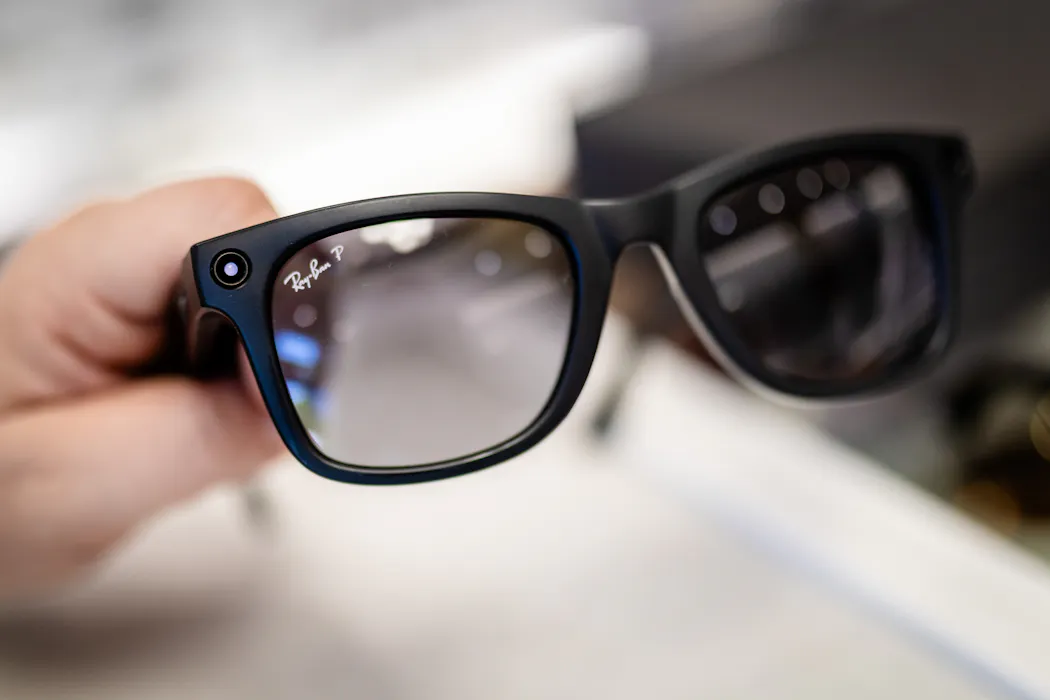
随着Meta Ray-Ban以及Kmart售价99纽币的Anko Camera Glasses等智能眼镜的普及,隐蔽拍摄变得愈发容易,引发了公众对于女性及未成年人被偷拍并上传至社交媒体的担忧1。ECPAT新西兰全国主任埃莉诺·帕克斯(Eleanor Parkes)表示,智能眼镜被用于虐待和剥削的潜在风险从一开始就很明显1。
然而,新西兰现行法律在应对公共场合衣着完整者被偷拍及事后被性化传播的问题上保护有限1。具体而言,《1961年刑法》中的亲密视觉记录犯罪涵盖裸体、暴露私密部位、性行为或可合理期待隐私的个人身体活动1。《2015年有害数字通信法》将未经同意发布亲密视觉记录定为犯罪,而《2020年隐私法》对个人目的收集信息提供了广泛豁免1。此外,新西兰新增的跟踪犯罪可能适用于反复记录行为,但未必能覆盖单次事件1。为此,文章作者呼吁审查现有法律是否足以覆盖以性剥削为目的的隐蔽拍摄,并要求开发商、进口商和零售商在产品上市前评估可预见风险并内置安全设计1。
The increasing availability of smart glasses, such as Meta Ray-Ban and the 99 NZD Anko Camera Glasses sold at Kmart, has made secret filming significantly easier, sparking concerns about women and minors being covertly recorded and uploaded to social media 1. Eleanor Parkes, the national director of ECPAT NZ, stated that the potential risks of smart glasses being used for abuse and exploitation were evident from the very beginning 1.
Despite these concerns, New Zealand's current legal framework offers limited protection for fully clothed individuals secretly filmed in public places and subsequently sexualized online 1. The Crimes Act 1961 criminalizes intimate visual recordings involving nudity, exposure of intimate parts, sexual behavior, or personal bodily activities where a reasonable expectation of privacy exists 1. Furthermore, the Harmful Digital Communications Act 2015 makes it an offense to publish intimate visual recordings without consent, while the Privacy Act 2020 provides broad exemptions for information collected for personal purposes 1. Although New Zealand's new stalking offenses might apply to repeated recording, they may not cover single incidents 1.
In response to these legal gaps, the authors call for a review of existing laws to determine if they adequately address covert filming for the purpose of sexual exploitation 1. They also demand that developers, importers, and retailers assess foreseeable risks and incorporate safety-by-design features before bringing such products to the market 1.
评论
还没有评论,欢迎留下第一条。