今年6月,澳大利亚首次在野生鸟类中确认高致病性H5N1禽流感,随后该病毒迅速扩散 1。此次疫情已导致南澳超过1000只凤头燕鸥死亡,塔斯马尼亚约24只小企鹅死亡,并且病毒还传播至长鼻海狗 1。为控制疫情,维多利亚州野生动物官员启动了针对小企鹅的大规模疫苗接种计划,澳大利亚联邦政府也承诺拨款保护濒危本土鸟类 1。
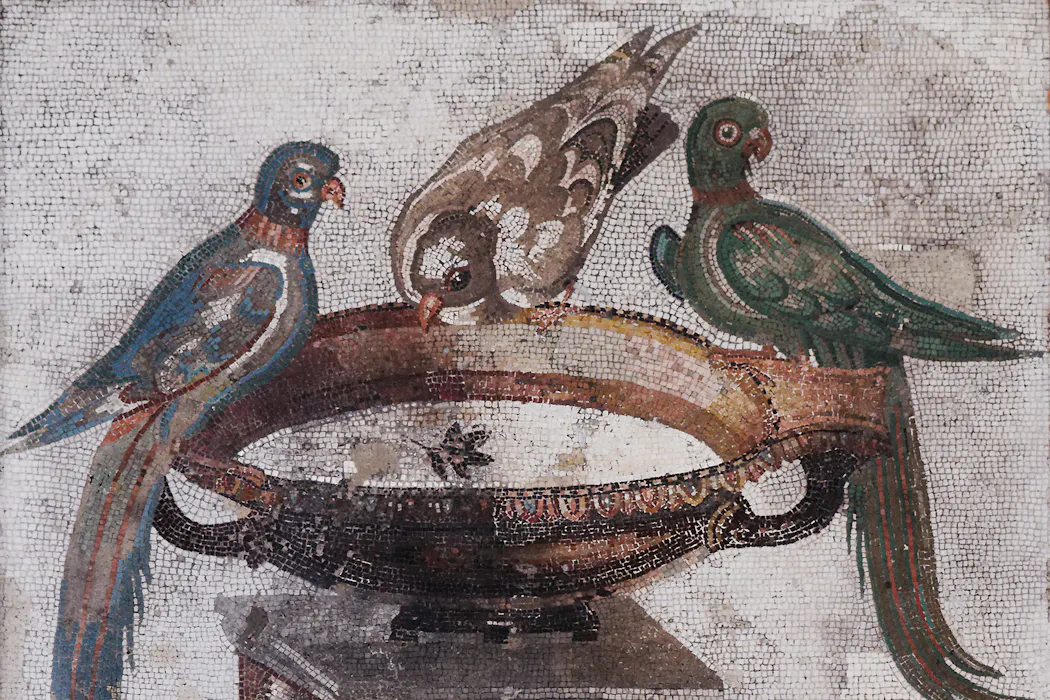
在应对现代禽类疫病之际,历史经验表明古希腊和古罗马作家早已认识到清洁水源、卫生环境和饲养条件对控制禽类疾病的重要性 1。公元前384年至公元前322年间,亚里士多德观察到生病的鸟类会出现羽毛凌乱的现象 1。公元1世纪的古罗马农业作家科卢梅拉记载了家禽“致命疾病”的症状,包括眼部肿胀和脓液、食欲不振以及喉部黏液 1。针对这些疾病,科卢梅拉建议经常熏蒸鸡舍并清除粪便 1。
Since June this year, the H5N1 avian influenza virus has spread rapidly across Australia after it was first confirmed in wild birds 1. The outbreak has caused significant wildlife casualties, resulting in the deaths of over 1,000 crested terns in South Australia and approximately 24 little penguins in Tasmania 1. Furthermore, the virus has spread to long-nosed fur seals 1. In response, wildlife officials in Victoria have launched a mass vaccination program for little penguins, and the federal government has pledged funding to protect endangered native bird species 1.
Ancient Greek and Roman writers documented their observations of poultry diseases and implemented early disease control measures 1. Aristotle (384–322 BC) observed that birds have ruffled feathers when they are sick 1. In the first century AD, the Roman agricultural writer Columella recorded that the symptoms of a "fatal disease" in poultry included swollen and purulent eyes, loss of appetite, and mucus in the throat 1. Columella advised to "frequently fumigate the hen-houses and keep them cleansed from dung" 1. These records indicate that the ancients recognized the importance of clean water, sanitary environments, and proper rearing conditions in controlling avian diseases 1.
评论
还没有评论,欢迎留下第一条。