新西兰气候变化委员会与环境议会专员近期发布两份报告,指出该国在气候适应方面的进展不均且部分领域行动滞后,难以应对日益增长的气候风险 1。报告强调,湿地和植被恢复等基于自然的解决方案在应对洪水和侵蚀等气候风险方面具有巨大潜力 1。然而,资金分配存在失衡,自2010年以来,新西兰政府97%的自然灾害支出用于响应和恢复,仅有3%用于降低风险和建设韧性 1。
尽管基于自然的适应方案前景广阔,但当前新西兰缺乏统一的环境数据系统、景观智能工具以及可持续的融资机制 1。环境议会专员的分析表明,做出良好环境决策所需的信息往往碎片化、难以获取或难以整合 1。这些障碍导致地方社区和志愿力量难以将本地优先事项转化为长期公共投资 1。为此,文章呼吁建立全国性系统,以识别、资助、实施和评估基于自然的气候适应方案 1。
Recent reports from the Climate Change Commission and the Parliamentary Commissioner for the Environment reveal that New Zealand's climate adaptation efforts are failing to keep pace with escalating climate risks, marked by uneven progress and lagging actions in certain areas 1. A stark imbalance in financial priorities is also evident, as 97% of the government's natural disaster spending since 2010 has been directed toward response and recovery, with only 3% allocated to risk reduction and resilience building 1.
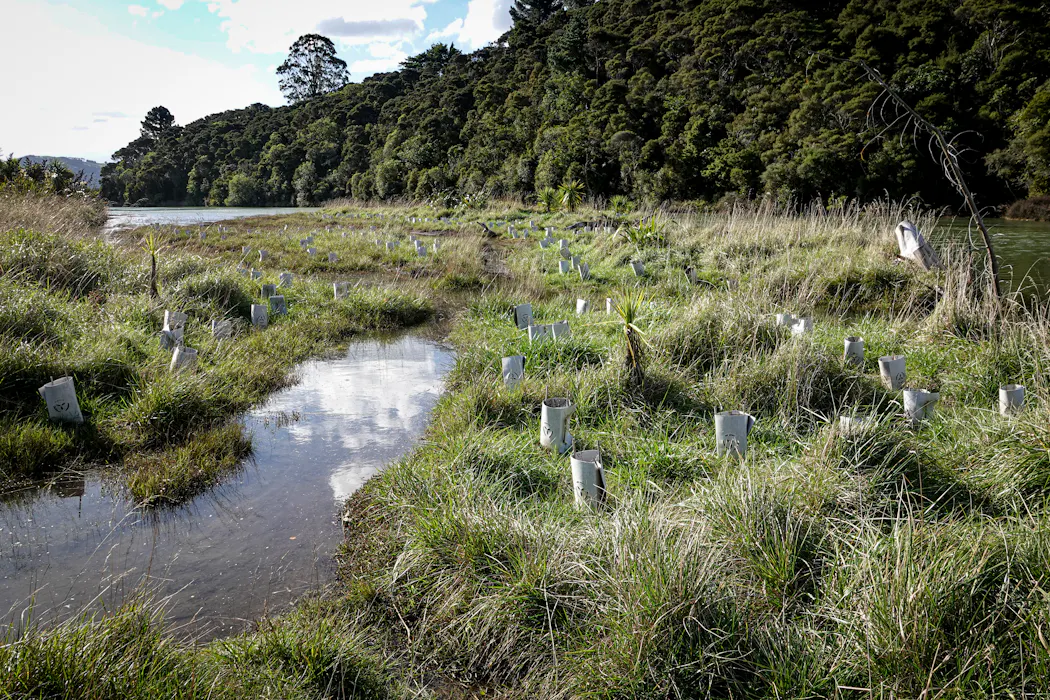
Despite these shortcomings, the reports highlight the significant potential of nature-based solutions, such as wetland and vegetation restoration, in mitigating climate hazards like flooding and erosion 1. However, implementing these strategies is currently hindered by a lack of unified environmental data systems, landscape intelligence tools, and sustainable financing mechanisms, making it difficult for local communities and volunteer groups to translate local priorities into long-term public investments 1. The Parliamentary Commissioner for the Environment further points out that the information necessary for sound environmental decision-making is often fragmented, inaccessible, or difficult to integrate 1. In light of these challenges, there are urgent calls to establish a comprehensive national system designed to identify, fund, implement, and evaluate nature-based climate adaptation initiatives 1.
评论
还没有评论,欢迎留下第一条。