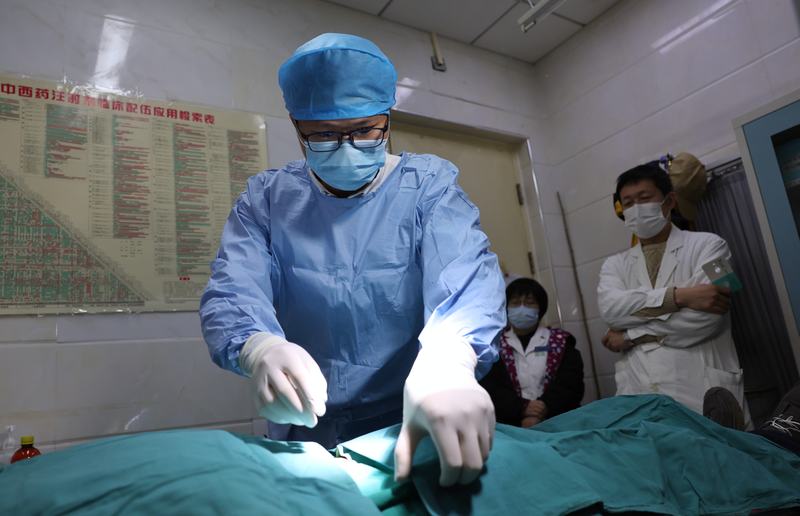
首都医科大学附属北京回龙观医院于2024年12月完成首例“戒酒芯片”(盐酸纳曲酮植入剂)植入手术,至今累计已有50余名中重度酒精使用障碍患者接受该手术1。该植入剂能在人体内缓慢释放150天,主要作用是阻断酒精带给大脑的奖赏快感1。数据显示,接受手术的患者平均年龄为44.94岁,平均饮酒年限14年,最长饮酒年限达37年,且超六成患者同时合并肝功能异常、睡眠障碍、焦虑抑郁等躯体和心理问题1。
在术后90天完成随访的33名患者中,初期治疗总有效率达85%1。其中,19名患者(占比58%)实现完全戒酒,达到连续3个月以上未饮酒的“初期治愈”标准;另有9名患者(占比27%)出现复饮,但饮酒量大幅下降1。在女性患者群体中,5名女性患者仅1人发生2次复饮行为,总有效率为100%,治愈率为80%1。此外,有5名患者(占比15%)的复饮情况与既往持平,未见明显改善1。
医生指出,该手术并非万能,治疗效果受戒酒动机、人格特质、家庭支持及共病等因素影响1。因此,患者术后仍需长期进行心理治疗与防复饮干预,以争取达到连续12个月以上未饮酒的“持续治愈”状态1。
Beijing Huilongguan Hospital, affiliated with Capital Medical University, has been performing "anti-alcohol chip" implantations, medically known as naltrexone hydrochloride implants, for patients with moderate to severe alcohol use disorders 1. The hospital completed its first such procedure in December 2024 1. To date, the hospital has carried out more than 50 of these implant surgeries 1. The patients undergoing the procedure have an average age of 44.94 years and an average drinking history of 14 years, with the longest drinking history reaching 37 years 1. Furthermore, over 60% of these patients suffer from concurrent physical and psychological issues, including abnormal liver function, sleep disorders, anxiety, and depression 1.
A 90-day post-operative follow-up of 33 patients has revealed significant initial treatment outcomes 1. Among them, 19 patients, accounting for 58%, achieved complete abstinence from alcohol 1. Another 9 patients, or 27%, resumed drinking but with a substantial decrease in their alcohol consumption 1. Consequently, the initial treatment effective rate reached 85% 1. Specifically, among the 5 female patients, only 1 experienced 2 relapse incidents, resulting in a 100% effective rate and an 80% cure rate for this subgroup 1. However, 5 patients, representing 15%, showed no significant improvement, with their relapse situations remaining the same as before the surgery 1. The implanted naltrexone hydrochloride slowly releases in the human body over 150 days, blocking the reward and pleasure that alcohol brings to the brain 1. Medically, a state of no alcohol consumption for more than 3 consecutive months is termed "initial cure," while lasting over 12 months is considered "continuous cure" 1.
Despite these initial results, doctors emphasize that the surgery is not a panacea 1. The treatment's effectiveness is influenced by various factors, including the patient's motivation to quit drinking, personality traits, family support, and comorbidities 1. Therefore, long-term psychological therapy and relapse prevention interventions remain necessary after the surgery 1.
评论
还没有评论,欢迎留下第一条。