澳大利亚西澳州Murujuga岩画监测项目发布了第三份年度报告,揭示了该地区岩画风化的主要原因1。这项由西澳州水与环境监管部资助的研究指出,历史二氧化硫排放产生的酸雨是导致岩石表面劣化的主要原因,而非当前空气污染1。研究区域位于西澳大利亚州Pilbara地区Burrup半岛,监测结果显示靠近工业区的岩石表面孔隙度更高1。
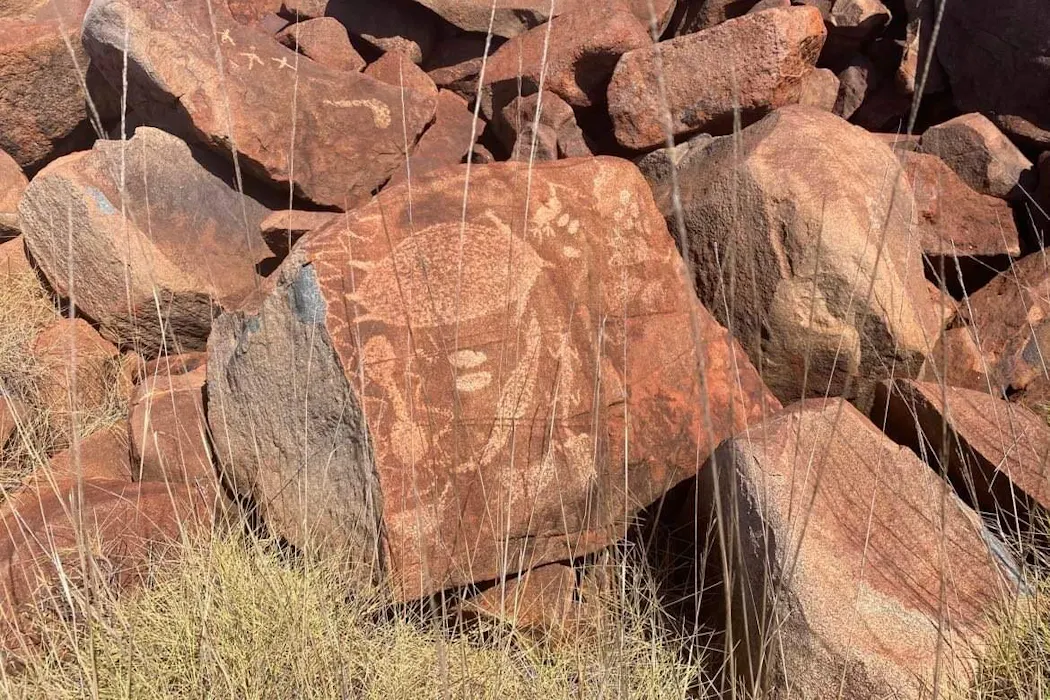
研究团队通过三年连续监测,累计完成了18.6万次岩石表面测量以及5500多次岩石样本实验室测试得出该结论1。报告指出,该区域的二氧化硫排放自1980年代以来大幅下降1。Murujuga地区估计有100万至200万幅岩刻,该文化景观于2025年7月被列入联合国教科文组织世界遗产名录1。
第四份也是最终一份报告将于明年发布1。届时,研究团队将重点关注氨和臭氧等污染物1。
The Murujuga Rock Art Monitoring Program has released its third annual report on the Burrup Peninsula in the Pilbara region of Western Australia 1. The research indicates that acid rain resulting from historic sulphur dioxide emissions is the primary cause of rock surface deterioration, rather than current air pollution 1. Furthermore, the study found that rock surfaces situated closer to industrial areas exhibit higher porosity 1.
These findings are based on three years of continuous monitoring, encompassing 186,000 rock surface measurements and more than 5,500 laboratory tests on rock samples 1. The monitoring project was financially supported by the Western Australian Department of Water and Environmental Regulation 1.
The Murujuga cultural landscape, which contains an estimated 1 million to 2 million petroglyphs, was added to the UNESCO World Heritage list in July 2025 1. Additionally, sulphur dioxide emissions in the area have fallen significantly since the 1980s 1. The fourth and final report of the program is scheduled for release next year, shifting its focus to pollutants such as ammonia and ozone 1.
评论
还没有评论,欢迎留下第一条。