上海交通大学医学院附属新华医院一名6岁女童小美于2025年3月24日接受试验性脑部碱基编辑治疗[1],治疗仅一周后因血栓性微血管病不幸身亡[1]。医院伦理委员会认定患儿死亡"肯定与治疗有关"[1]。该患儿患有的基因缺陷主要表现为"轻度的发育迟缓和语言障碍"[1]。
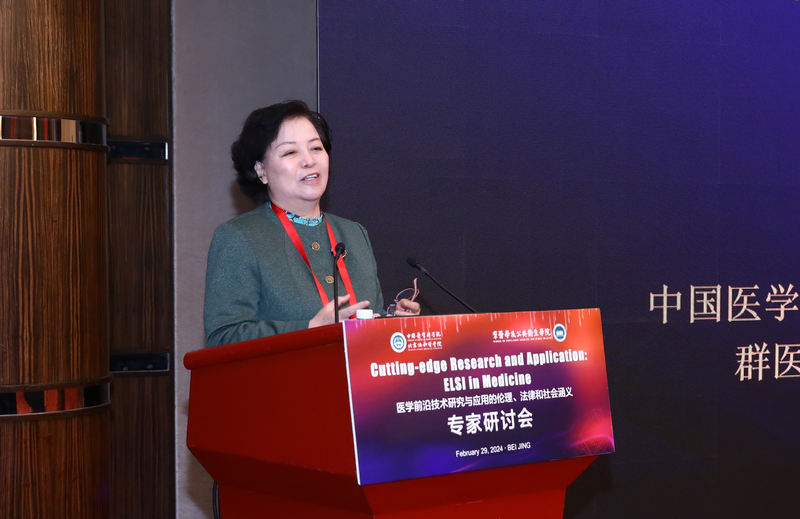
国家科技伦理委员会委员翟晓梅在专访中深入分析了这一悲剧事件中暴露的伦理问题。受益-风险评估存在偏差、知情同意程序不充分、伦理审查委员会缺乏必要的专业能力——这些因素共同导致了伦理失守[1]。令人担忧的是,伦理委员会在2025年1月批准临床试验后,一个月之后才出具灵长类动物毒理学报告,该报告显示四只猴子存在中度至重度的肝损伤[1]。患儿家属自筹近600万元资金用于病毒制备和治疗相关费用[1]。翟晓梅强调:"任何对科研和学术成果的追求,都不能凌驾于受试者生命安全之上"[1]。《生物医学新技术临床研究和临床转化应用管理条例》(国务院第818号)于2026年5月1日正式实施[1]。
A six-year-old girl in Shanghai died from thrombotic microangiopathy one week after undergoing an experimental brain base editing treatment, prompting renewed scrutiny of how clinical trials protect vulnerable patients.[1] The child received the procedure at Shanghai Jiao Tong University School of Medicine Affiliated Xinhua Hospital on March 24, 2025, and the hospital's ethics committee concluded that her death was "certainly related" to the treatment.[1] The girl had been diagnosed with a genetic defect causing mild developmental delays and speech disorders.[1]
Zhai Xiaomei, a member of the National Science and Technology Ethics Committee, has identified multiple layers of ethical failure in the case.[1] The ethics review board approved the clinical trial in January 2025, yet did not obtain a toxicology report on primates until a month later—after the procedure had already begun.[1] That delayed report revealed moderate to severe liver damage in four monkeys used in preclinical testing.[1] Zhai emphasized that the committee failed in its benefit-risk assessment, did not obtain adequate informed consent from the family, and lacked sufficient professional expertise to evaluate the experimental protocol.[1] The girl's family had self-funded nearly 6 million yuan to cover viral vector production and treatment costs.[1]
"No pursuit of scientific and academic achievement can ever override the life safety of research subjects," Zhai stated, underscoring that protecting participants' survival is the foundational principle of research ethics.[1] The regulatory framework governing such clinical applications, the Regulations on Clinical Research and Clinical Translation Application Management of Biomedical New Technologies (State Council Order No. 818), is set to take effect on May 1, 2026.[1]