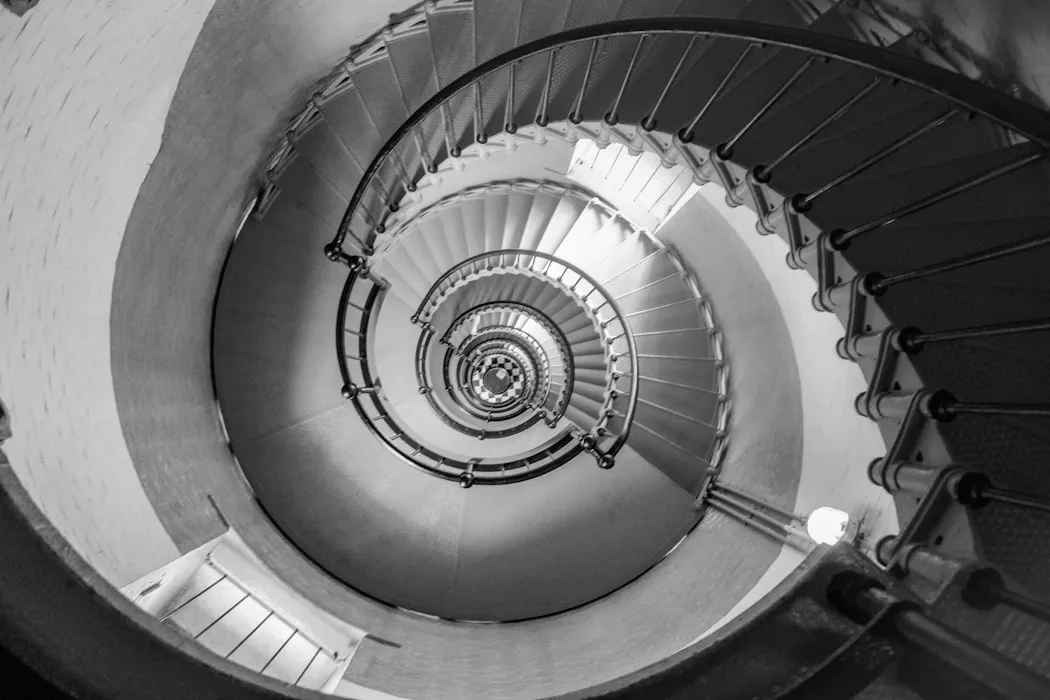
被称为"晕眩推移镜头"的视觉效果首次出现在希区柯克1958年执导的《迷魂记》中[1]。这一技术由派拉蒙摄影师Irmin Roberts发明[1],通过摄像机移动与变焦镜头的配合实现——当摄像机移动时反向变焦,或在变焦时反向移动[1],从而使画面主体保持相同大小而背景产生扭曲变形的效果[1]。
这一技术随后被广泛应用于电影制作中[1]。《大白鲨》(1975)、《好家伙》(1990)、《魔戒》(2001)和《美食总动员》(2007)等作品都采用了这一手法[1]。随着电影技术的发展,晕眩推移镜头已可在后期制作中通过软件技术实现[1]。
The dolly zoom, one of filmmaking's most striking and unsettling visual techniques, made its cinematic debut in Alfred Hitchcock's 1958 film Vertigo [1]. The effect was invented by Irmin Roberts, a cinematographer at Paramount [1]. This distinctive technique works by counterintuitively moving the camera while simultaneously adjusting the zoom lens in the opposite direction—or conversely, zooming while moving the camera in reverse [1]. The result is a vertiginous distortion where the subject remains constant in frame size while the background warps and shifts unnaturally around it [1].
Since its groundbreaking introduction, the dolly zoom has become a staple of visual storytelling across genres. The technique has been deployed in notable films including Jaws (1975), The Lord of the Rings (2001), Goodfellas (1990), and Ratatouille (2007) [1]. Modern filmmakers have expanded the creative possibilities of the effect through post-production software, which allows the dolly zoom to be constructed or enhanced during the editing process rather than only during principal cinematography [1].