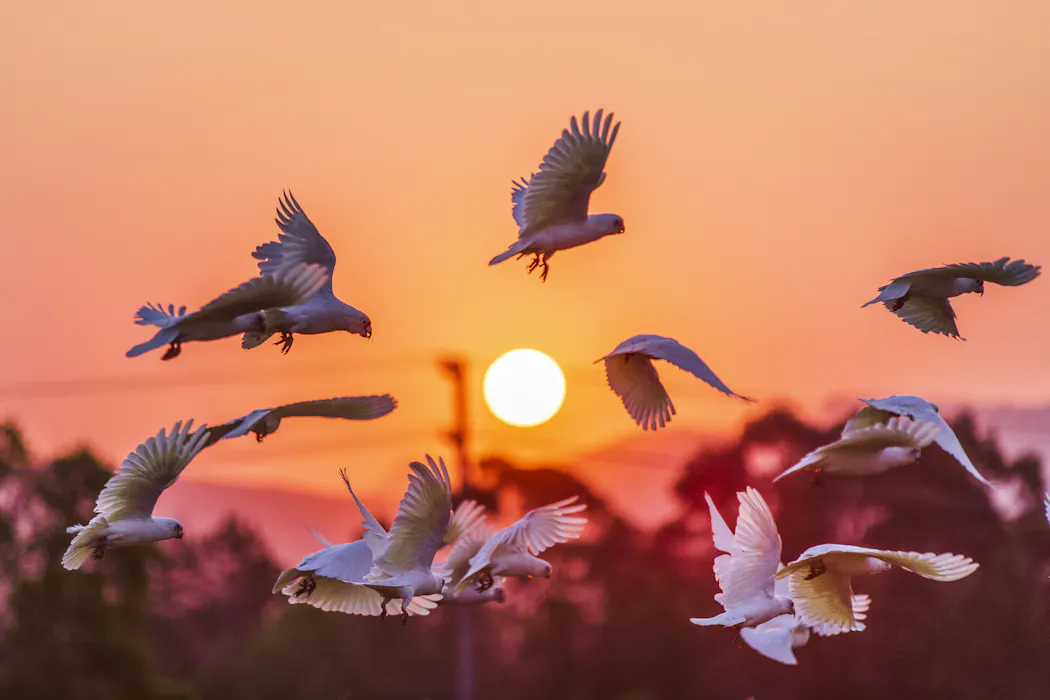
H5N1高致病性禽流感正在澳大利亚蔓延,对该国鸟类和哺乳动物构成严重威胁。截至最近报道,该病毒已在澳大利亚大陆78只野生鸟类中检测到,并在南澳大利亚东南沿岸数十只凤头燕鸥中引发首次确认的大规模死亡事件[2]。这种病毒的死亡率为75-100%,预计将导致数千至数百万澳大利亚鸟类和大量哺乳动物死亡[1]。黑天鹅等本土物种高度易感[1],维多利亚州Port Phillip湾和Gippsland地区的Burrunan海豚少于200只,已处于渔网、污染、栖息地破坏和气候变化的多重压力下[2]。
南美地区的疫情提供了警示。2022年H5N1从受感染海鸟传播到南美海狮群落,至少30,000只南美海狮在秘鲁、智利、阿根廷、乌拉圭和巴西死亡,阿根廷巴尔德斯半岛有超过17,000只象海豹幼崽死亡[2]。感染的鳍足类动物出现严重的神经和呼吸系统疾病,症状包括嗜睡、震颤、协调受损和呼吸困难[2]。
为应对这一威胁,澳大利亚正在探索多项防控措施。新西兰已为受风险鸟类接种疫苗,澳大利亚目前正在探索这一选项[1]。美国当局曾捕获并接种了濒危的加州秃鹫,然后将其放归野生[1]。疫苗接种需要捕获野生动物并在4-6周后进行加强针接种[1]。除疫苗外,专家建议采取包括控制其他威胁、建立保险种群、扩大监测、减缓传播和社区参与等综合措施[1]。公众可通过24小时紧急动物疾病热线1800 675 888报告病态或死亡的鸟类、海狮或其他动物[2]。
Australia faces an urgent threat from H5N1 highly pathogenic avian influenza, which has spread from migratory birds to native bird and mammal populations across the continent.[1] As of Monday, the virus has been detected in 78 wild birds on mainland Australia,[2] with the first confirmed mass mortality event occurring in dozens of crested terns along the southeast coast of South Australia.[2] The mortality rate of H5N1 ranges from 75 to 100 percent,[1] and thousands to millions of Australian birds and substantial numbers of mammals are expected to perish.[1]
The threat extends particularly to marine mammals, which has already demonstrated devastating consequences in South America. In 2022, H5N1 rapidly spread from infected seabirds to South American sea lion populations, resulting in at least 30,000 deaths across Peru, Chile, Argentina, Uruguay, and Brazil.[2] In Argentina's Valdés Peninsula alone, over 17,000 elephant seal pups died.[2] Infected marine mammals in South America exhibited severe neurological and respiratory disease, including lethargy, tremors, impaired coordination, and respiratory distress.[2] Australian sea lions are already stressed by fishing nets, pollution, habitat destruction, and climate change,[2] while Burrunan dolphins in Port Phillip Bay and the Gippsland region number fewer than 200 individuals.[2]
Experts propose eight strategies to mitigate the spread and protect vulnerable species. These include controlling other threats to wildlife, establishing insurance populations of at-risk species, and implementing vaccination programs.[1] New Zealand has already begun vaccinating at-risk birds, and Australia is exploring this option;[1] the United States has captured and vaccinated endangered California condors for subsequent release into the wild.[1] Vaccination requires capturing wild animals and administering booster shots four to six weeks after initial immunization.[1] Additional protective measures include expanding surveillance efforts, slowing transmission, and enhancing community engagement.[1] Highly susceptible native species such as black swans require particular attention.[1] Members of the public are urged to report sick or deceased birds, sea lions, or other animals through the 24-hour emergency animal disease hotline at 1800 675 888.[2]