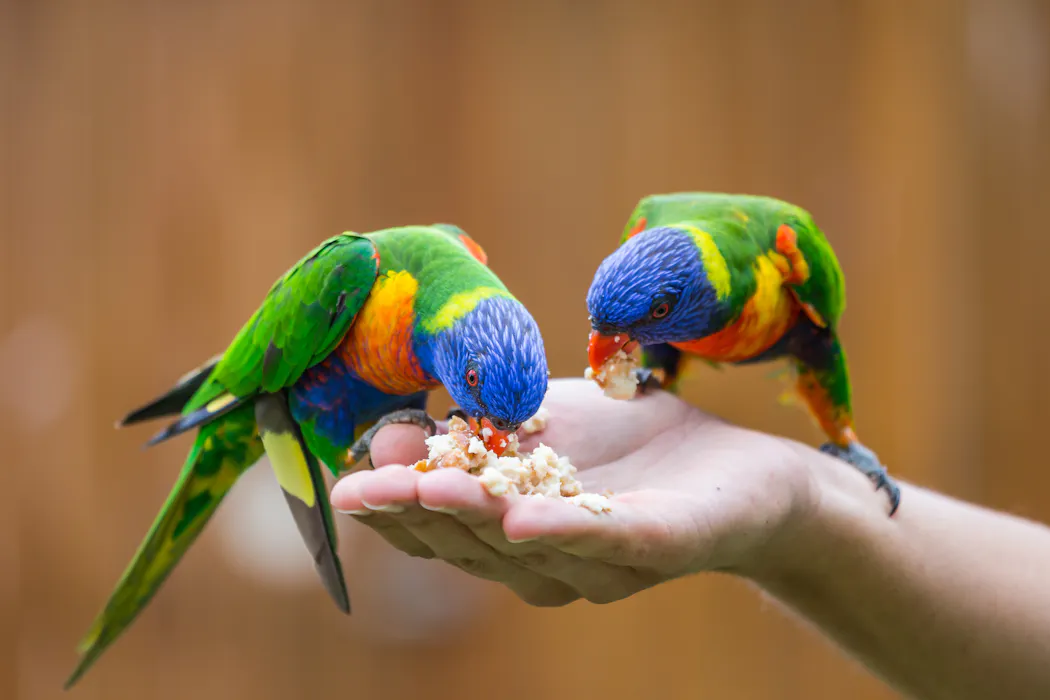
在澳大利亚,约半数家庭都有喂养野生鸟类的习惯1。然而专家警告,这一常见做法可能成为H5N1禽流感的"超级传播事件"1。后院喂鸟会吸引多个不同物种的鸟类在同一地点聚集,从而形成疾病传播的"热点"1,已对澳大利亚的野生鸟类和哺乳动物造成大量死亡1。
H5N1的威胁已经显现。该病毒已导致超过1000只冠羽燕鸥死亡,并造成澳大利亚首例陆生哺乳动物感染者1。虽然人类感染H5N1罕见,通常仅引发轻微症状1,但风险依然存在。专家建议采取降低传播风险的措施,包括减少喂食量、避免手喂野生鸟类,以及用家用漂白剂定期清洁喂食设施1。公众若发现病死鸟类或海洋哺乳动物,应致电1800 675 8881。
Approximately half of Australian households engage in backyard bird feeding, a practice that experts now identify as a potential "superspreader" for highly pathogenic H5N1 avian influenza 1. The concentration of multiple bird species at feeding sites creates transmission hotspots that facilitate disease spread among wildlife 1.
The H5N1 virus has already caused substantial mortality in Australia, killing over 1,000 crested terns and resulting in the country's first terrestrial mammal infection 1. While human infection with H5N1 remains rare and typically produces only mild symptoms 1, the virus poses significant risks to wild bird and mammal populations. To reduce transmission risk, experts recommend reducing feeding frequency, avoiding hand-feeding birds, and regularly cleaning feeding equipment with household bleach 1. Alternatively, discontinuing backyard bird feeding altogether may be the most effective preventive measure 1. Residents who discover dead birds or marine mammals should contact 1800 675 888 1.
评论
还没有评论,欢迎留下第一条。