塔斯马尼亚州政府在2023年4月宣布将Screen Tasmania并入创意产业、体育和访客经济部门,导致该机构规模被削减近一半,仅剩相当于不足两名全职员工的"骨干员工"队伍1。这一决定立即引发当地电影制作人和创意工作者的强烈不满。塔斯马尼亚电影制作人联盟委员会成员Shaun Wilson指出,这样的规模将使该机构"沦为被动实体",仅能"评估赠款申请"1。本地制片人David Gurney则直言这项预算削减"残忍且短视"1。
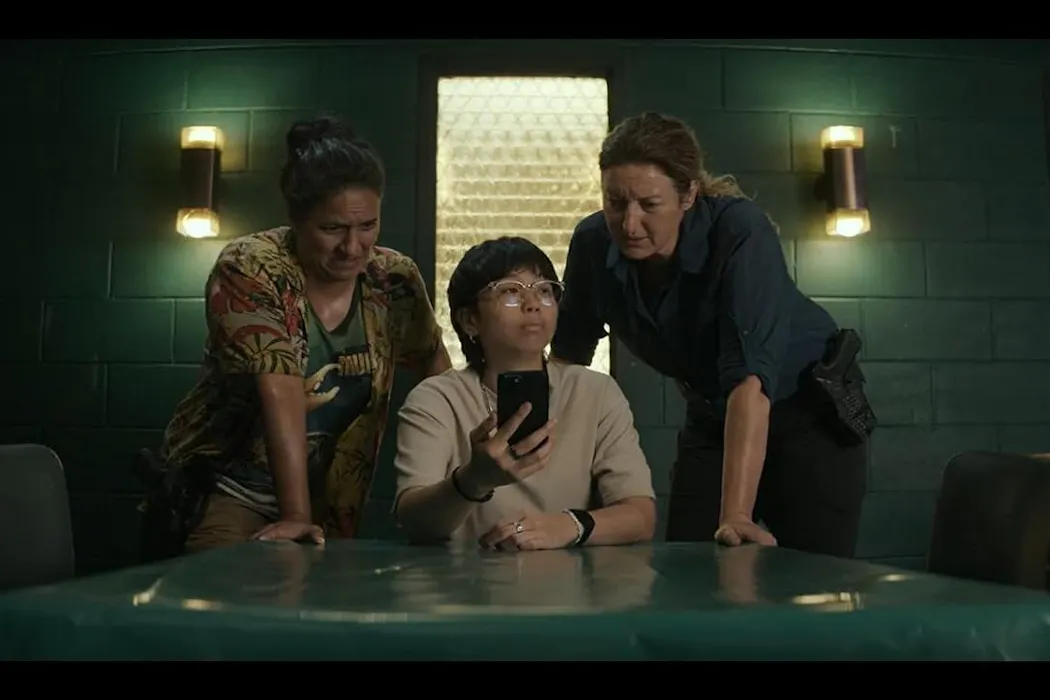
过去十年间,塔斯马尼亚州的电视产业实现显著增长。自2016年Vicki Madden的系列剧《The Kettering Incident》起,该州陆续推出多部获得国际认可的作品1。喜剧犯罪剧《Deadloch》(2023–)在165个国家登上Amazon Prime前10位,被《好莱坞报道者》评价为"突破性国际成功"1。动画儿童系列《Little J & Big Cuz》(2017–)赢得包括2018年TV Logies"最杰出儿童节目"奖在内的多个奖项1。
Tasmania's government announced in April 2023 plans to merge Screen Tasmania into the Department of Creative Industries, Sports and Visitor Economy, a restructuring that will reduce the agency's capacity to roughly the equivalent of fewer than two full-time staff members.1 The move has sparked concern among local filmmakers and creative workers about the state's ability to maintain its competitive edge in screen production.
The downsizing drew sharp criticism from industry figures. Shaun Wilson, a committee member of the Tasmanian Filmmakers Alliance, warned that such limited staffing would render the organization merely "passive," capable only of "assessing grant applications."1 Local producer David Gurney characterized the budget cuts as "cruel and short-sighted."1
The restructuring comes at a striking moment for Tasmania's screen industry, which has experienced a production boom over the past decade. The state's television renaissance began in 2016 with Vicki Madden's series The Kettering Incident.1 More recently, the crime comedy Deadloch (2023–) achieved what The Hollywood Reporter called "breakthrough international success," reaching the top 10 on Amazon Prime in 165 countries.1 The animated children's series Little J & Big Cuz (2017–) has won multiple awards, including the 2018 TV Logies award for most outstanding children's program.1
评论
还没有评论,欢迎留下第一条。