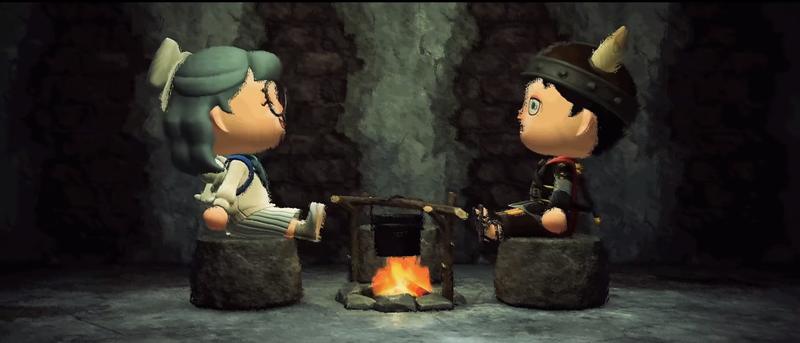
UP主梦格尔通过游戏《石房子》和动画短片《石头里的青春期》等作品,反映青少年面临的亲子矛盾、校园霸凌、戒网瘾学校等问题1。其中《石头里的青春期》在全平台获得超过千万播放量,其他相关青春期视频短片的播放量也接近百万1。这些作品在B站引发了广泛共鸣,大量观众通过投稿和私信的方式与创作者互动1。
许多青少年在梦格尔的故事中找到了心理寄托和生活启发1。粉丝群"小梦催更后台"已接收1558人1。一位粉丝因观看梦格尔的视频从顶楼天台走了下来1,另有粉丝在考上北京大学后特意私信告诉梦格尔这一喜讯1。梦格尔本人因舞蹈脚踝骨折而转向视频创作,仅花100块钱报了线上剪辑课1。他因一条被撕碎的求救信第一次意识到戒网瘾学校真实存在1,这也促使他将更多关注投向青春期困境。
Content creator Mengel has established a digital sanctuary for adolescents through works including the game "Stone House" and animated shorts like "Adolescence in Stone," which address the struggles young people face from parental pressure, school bullying, and internet addiction rehabilitation programs 1. His animated series "Adolescence in Stone" has garnered over 10 million views across platforms, with other adolescence-themed video shorts approaching 1 million views 1. The creator's output has resonated deeply with viewers, many of whom have shared their own stories through submissions and private messages, finding both emotional solace and practical life guidance in his narratives 1.
Mengel's journey into addressing these issues began when he discovered a torn plea letter, marking his first realization that internet addiction rehabilitation schools actually exist 1. After a dance-related ankle fracture forced him to shift away from performing, he invested in online editing courses for 100 yuan to pursue video creation 1. His fan community, organized in a group titled "Little Dream Asks for Updates—Backend," has grown to include 1,558 members 1. The impact of his work extends beyond viewership metrics: one viewer stepped down from a rooftop after watching his videos, while another fan specifically reached out to inform him of their admission to Peking University 1.
评论
还没有评论,欢迎留下第一条。