一项国际研究对2017年至2022年间的375篇火山事件媒体报道进行了分析,识别出18个常见的火山学误解和虚假信息1。研究发现,虚假图像、误导性术语和夸大的风险描述在社交媒体和新闻报道中广泛传播,严重扭曲了公众对火山灾害的认知1。
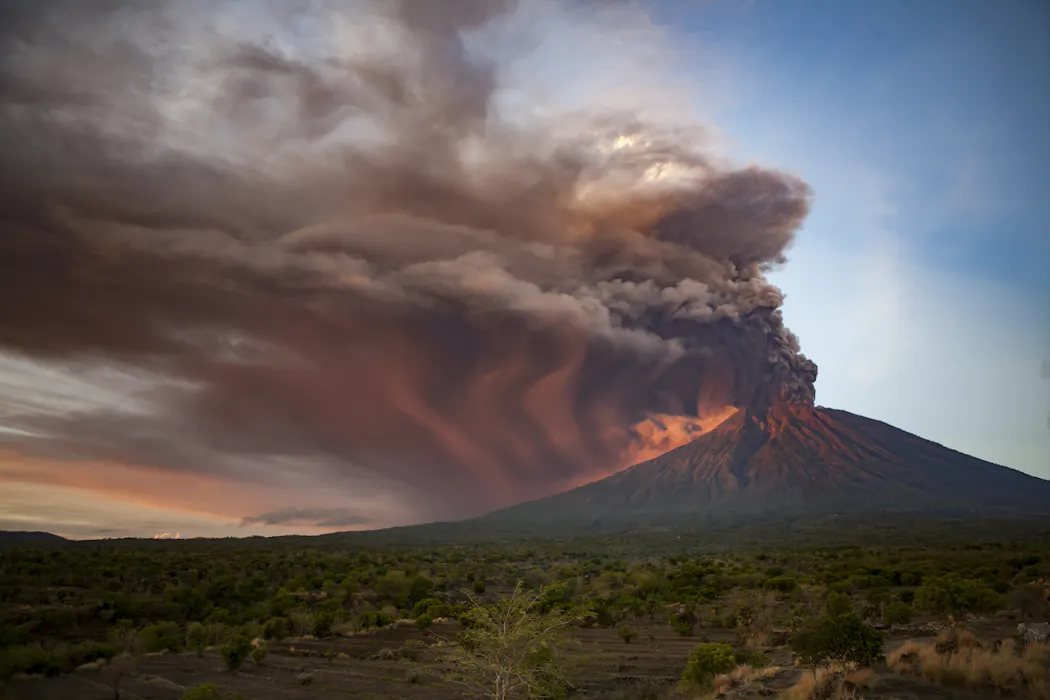
具体案例包括多个错误表述和图像滥用。火山灰经常被错误地描述为"烟",但实际上由岩石碎片、晶体和火山玻璃组成1。2017年巴厘岛阿贡火山事件期间,其他火山的旧片段被误认为是该火山活动1。2025年埃特纳火山喷发产生的热流视频被错误使用,造成西西里岛不安全的虚假假象1。此外,黄石火山被夸大为"超期"的超级火山,但其最后约50次喷发仅产生熔岩流,影响范围仅限局部1。
为应对火山危机中的信息混乱,研究者提出了识别虚假信息的方法,建议公众通过验证信息来源、区分可能性和概率、检查图像真伪来辨别虚假信息1。
An international research team has identified eighteen common misconceptions and false claims about volcanic eruptions circulating across social media and news outlets, based on analysis of 375 media articles published between 2017 and 2022 1. The study reveals how misleading imagery, distorted terminology, and exaggerated risk descriptions distort public understanding of volcanic hazards during crisis events 1.
Among the documented cases, volcanic ash has been repeatedly mischaracterized as "smoke," when it actually consists of rock fragments, crystals, and volcanic glass 1. During the 2017 eruption of Mount Agung in Bali, footage from other volcanoes circulated as evidence of activity at that specific volcano 1. More recently, video from the 2025 Mount Etna eruption showing pyroclastic flows was repurposed to falsely suggest danger in Sicily 1. The Yellowstone supervolcano has also been exaggerated as "overdue" despite its last fifty eruptions producing only localized lava flows 1.
The research team recommends that the public verify information sources, distinguish between possibility and probability, and authenticate images when navigating volcanic crisis communications 1.
评论
还没有评论,欢迎留下第一条。