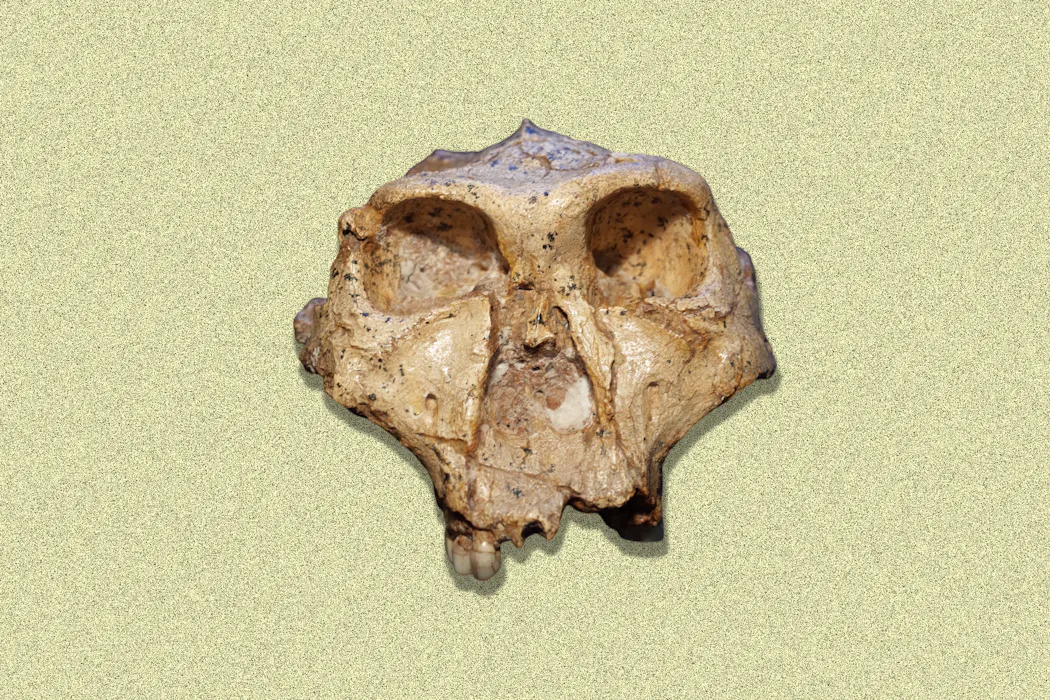
蒙纳士大学研究人员提出,应对传统的人类分类系统进行根本性修订12。由该校生物医学发现研究所研究员伊恩·陶尔博士领导的团队建议,将过去400-500万年的所有人类物种及其化石亲缘体纳入人属之中,包括南方古猿属和粗壮猿人属1。这项研究发表在《美国生物人类学杂志》上12。
长期以来,科学家通过大脑容量大、工具使用能力强以及特定的解剖学和行为特征来区分人属成员1。然而,随着新化石的不断发现和遗传分析的进展,这些传统界限变得模糊不清2。研究指出,某些人属成员的脑容量实际上很小,而南方古猿和粗壮猿人也具备复杂的行为能力1。此外,现有的三分法分类系统往往并不代表真正的进化支系,其定义特征在不同属间存在重叠或不一致2。
研究团队认为,传统的南猿属并非基于共同祖先,而是基于共同的生活方式或外观特征2。粗壮猿人的大颌和巨臼齿特征也可能无法准确反映其生态适应,因为东非和南非物种的饮食存在显著差异2。通过将这些分类纳入一个更大的人属框架,可以形成真实完整的进化支系,更准确地反映人类复杂的进化关系12。
Researchers at Monash University are calling for a significant restructuring of hominin taxonomy, proposing that Australopithecus and Paranthropus species be reclassified within the genus Homo.12 The proposal, led by Dr. Ian Towle from the Monash Biomedicine Discovery Institute, addresses fundamental problems with the current three-way classification system that has long divided these extinct human relatives into separate genera.1 According to the researchers, recent fossil discoveries and advances in genetic analysis have revealed that the characteristics traditionally used to distinguish these groups are neither consistent nor reliable across species boundaries.12
The current classification system relies on traits such as large brain capacity, tool-use ability, and specific anatomical and behavioral features to define members of the genus Homo.1 However, the research demonstrates that some Homo species possess surprisingly small brain volumes, while both Paranthropus and Australopithecus have demonstrated complex behavioral capabilities.1 Furthermore, Australopithecus is not a true evolutionary clade, having been defined based on shared lifestyle or appearance rather than common ancestry, and Paranthropus traits like large jaws and massive molars may not reflect dietary adaptation, given the significant dietary differences observed between East African and South African species of the latter genus.2 By consolidating all human species and related fossil relatives from the past 4 to 5 million years into an expanded Homo genus, the researchers argue that the classification system would more accurately reflect genuine evolutionary relationships rather than arbitrary morphological divisions.12 The study was published in the American Journal of Biological Anthropology.12
评论
还没有评论,欢迎留下第一条。