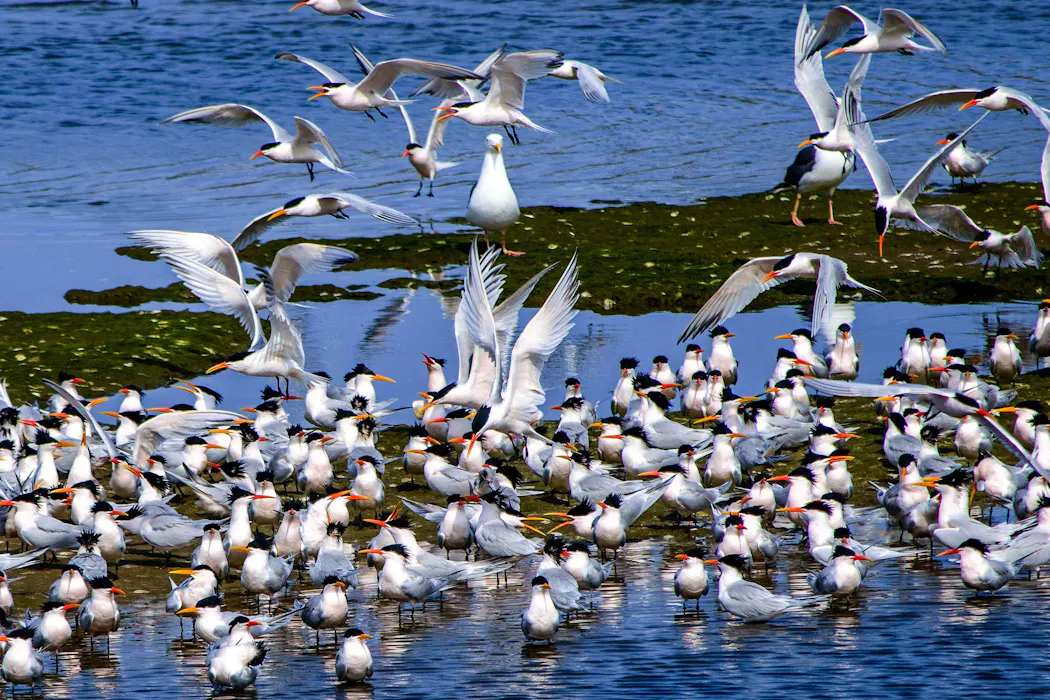
澳大利亚正面临H5N1禽流感在野生动物中的严重爆发。目前已确认53例H5N1检测,涉及澳大利亚五个州的野生海鸟1。其中南澳大利亚州最为严重,共有39例确诊病例1。在这些感染者中包括银鸥和大凤头燕鸥等物种,南澳当局还发现了49只死亡的大凤头燕鸥,另有35只患病的大凤头燕鸥在离岸地点被发现1。
这次爆发标志着澳大利亚从以往隔离的候鸟检测转变为本地野生动物之间的持续传播阶段1。目前澳大利亚家禽和其他牲畜尚未检出H5N11。当局呼吁发现相关病例的公众联系紧急动物疾病热线1800 675 8881。
H5N1病毒全球威胁不容小觑。过去五年,这种病毒已感染除南极外的其他各大洲,导致数百万动物死亡1。2023年该病毒在阿根廷造成超17,000只南象海豹死亡,幼豹死亡率达95%1。同期赫德岛约13,000只象海豹幼崽因此丧生1。
Australia is experiencing a significant bird flu outbreak, with 53 confirmed H5N1 cases detected across five states, marking a shift from isolated detections in migratory birds to sustained transmission among local wildlife 1. South Australia has recorded 39 confirmed infections, primarily in silver gulls and crested terns, with authorities also discovering 49 dead and 35 sick crested terns at offshore locations 1.
The outbreak underscores the escalating threat posed by the virus globally. In 2023, H5N1 killed more than 17,000 South American fur seals in Argentina, with pup mortality reaching 95 percent 1. Approximately 13,000 elephant seal pups also died on Heard Island 1. Over the past five years, the H5N1 virus has infected all continents except Antarctica, resulting in millions of deaths 1.
Authorities have emphasized that H5N1 has not been detected in Australian domestic poultry or other livestock to date 1. The public is urged to report suspected cases to the emergency animal disease hotline at 1800 675 888 1.
评论
还没有评论,欢迎留下第一条。