38岁的王女士怀孕双胞胎,在孕22+1周时第一个胎儿的羊膜囊发生破裂并伴有感染1。中山大学附属第七医院妇产科采取延迟分娩策略,在孕22+3周时将感染的第一个胎儿娩出,同时保留第二个胎儿继续在宫内妊娠1。
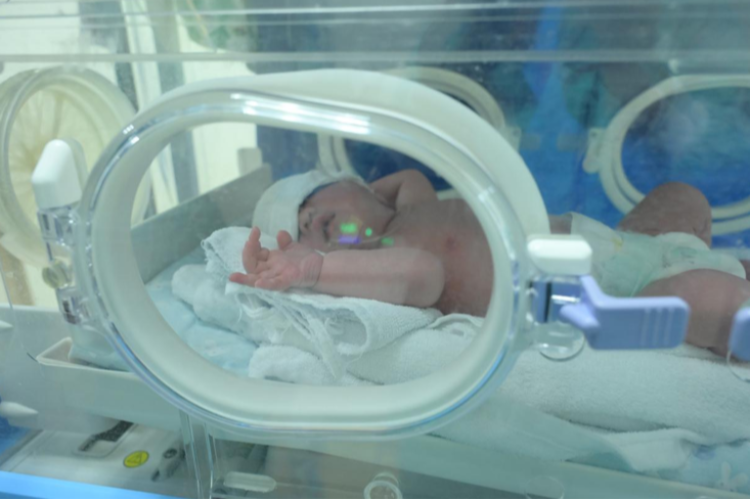
这一方案得以实施的前提是该患者属于双绒双羊胚胎,意味着两个胎儿各自拥有独立的胎盘和羊膜囊,彼此互不相通1。经过医疗团队105天的精密监护和治疗,第二个胎儿最终在孕37+3周时健康出生1。据悉,双胎延迟分娩的成功率仅为14/10万1。
A 38-year-old woman carrying twins received a rare medical intervention at Zhongshan University Affiliated Seventh Hospital after her first fetus developed complications early in pregnancy.1 When the pregnancy reached 22 weeks and 1 day of gestation, the first fetus's amniotic sac ruptured and became infected.1 Rather than delivering both twins immediately, the obstetric team opted for a delayed delivery strategy, delivering the infected first fetus at 22 weeks and 3 days of gestation while preserving the second fetus to continue developing in the womb.1
The successful continuation of the second pregnancy was made possible by the unique characteristics of the twin pregnancy: both fetuses were diamniotic dichorionic, meaning each had its own independent placenta and amniotic sac that did not communicate with each other.1 Over the following 105 days, the medical team provided intensive monitoring and treatment to protect the developing second fetus.1 The second twin was ultimately delivered via cesarean section at 37 weeks and 3 days of gestation in good health, following rupture of the second amniotic membrane.1 This delayed delivery procedure, with a reported success rate of 14 per 100,000 twin pregnancies, represents a significant achievement in maternal-fetal medicine.1
评论
还没有评论,欢迎留下第一条。