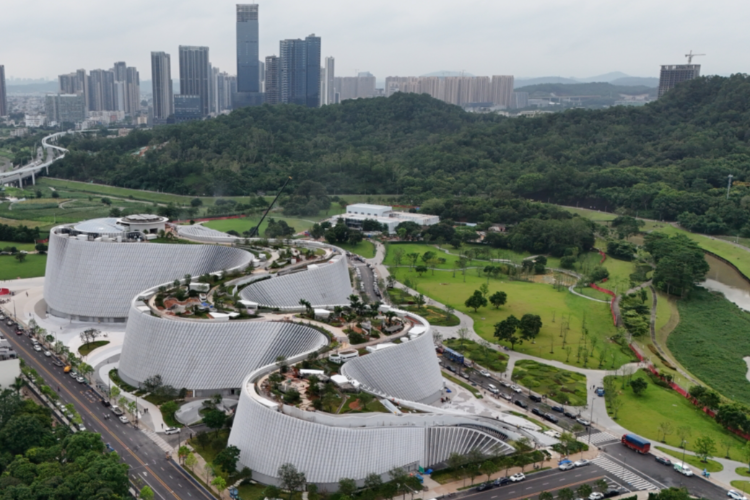
深圳自然博物馆于7月28日在坪山燕子湖畔正式开馆1,成为华南最大的综合性自然博物馆1。该馆建筑面积10.53万平方米,包含8个展厅,浓缩了46亿年的自然演化故事1。
坪山区围绕博物馆构建了覆盖全境的自然研习步道系统,体现了"三零"原则1。该系统由15条总长106公里的步道、408个实地观察点和1200个博物牌组成1,形成了一座没有屋顶的"全域自然博物馆"1。步道与古村落、水利风景区等文化节点相互串联,探索城市与自然融合的生活方式1。
坪山区生态资源丰富,森林覆盖率达43.96%1,已记录植物1161种、动物496种1。位于马峦山郊野公园内的动植物资源尤为集中,拥有植物1048种、动物29种,其中包括国家一级保护动物蟒蛇和二级保护动物金线龟1。
Shenzhen's Natural Museum officially opened on July 28 at Yanzihu Lake in Pingshan District, marking the debut of South China's largest comprehensive natural museum 1. The facility spans 105,300 square meters across eight exhibition halls and condenses 4.6 billion years of natural history into its displays 1.
Beyond the museum building itself, Pingshan has constructed an expansive outdoor nature education system built on "three zero" principles 1. This initiative encompasses 15 nature study trails totaling 106 kilometers, 408 on-site observation and research points, and 1,200 natural study markers, effectively creating an open-air museum without walls across the entire district 1. The trail network connects the main museum with cultural landmarks including historic villages and scenic water conservation areas, fostering an integrated approach to urban-nature coexistence 1.
The Pingshan area demonstrates significant biodiversity to support this educational mission. The district maintains a forest coverage rate of 43.96% and is home to 1,161 plant species and 496 animal species 1. Within Maluan Mountain Country Park alone, 1,048 plant species and 29 animal species have been documented, including state-protected pythons and nationally protected golden coin turtles 1.
评论
还没有评论,欢迎留下第一条。