3.5mm耳机接口在当代手机市场呈现分化态势。1高端旗舰机几乎全部取消该接口以推销真无线立体声(TWS)耳机,而入门级手机仍保留接口,使得3.5mm接口几乎成为1000元左右及更低价位段产品的专属配置。1尽管该接口的物料成本实际不到1美元,但这种价位分化反映出市场中存在的根本矛盾:无线音频技术仍无法完全替代有线耳机。1
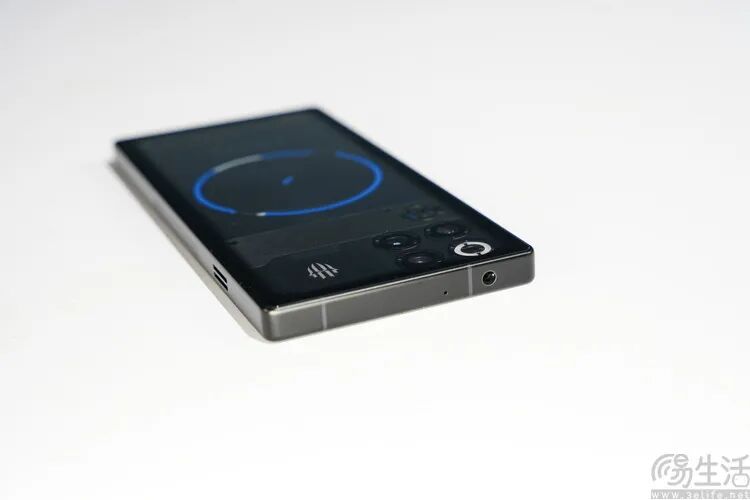
在高端消费领域,有线产品依然占据重要地位。1红魔、索尼等高端机型仍保留3.5mm接口,而高端HiFi爱好者依然主要购买有线耳机。1与此同时,许多头部手机厂商推出几十上百元的TWS耳机产品,其中带主动降噪的型号能做到百元左右。1相比之下,最差的有线耳机相比最差的TWS耳机有显著优势,包括不会经常断连、可充当FM收音机天线等特性。1业内人士指出,"如果哪天TWS耳机也能卖到几十万元,才说明无线HiFi'成了'",暗示当前无线HiFi技术尚未在高端市场建立起与有线产品相当的地位。1
The 3.5mm headphone jack persists in a fragmented state across the smartphone market, with its presence largely determined by price tier rather than technological advancement 1. Premium flagship devices have nearly universally abandoned the connector to promote wireless earbud sales, while budget-segment phones continue to retain it—a divergence that reflects the incomplete maturation of wireless audio technology 1.
The economics of this split reveal deeper market realities. The bill of materials for a 3.5mm connector costs less than one dollar 1, making its removal a choice rather than a technical necessity. High-end manufacturers like Red Magic and Sony maintain the jack on their premium models 1, and major smartphone makers have launched numerous TWS earbuds ranging from tens to hundreds of yuan, with active noise-cancellation variants available around the hundred-yuan price point 1. Yet entry-level consumers cannot universally afford wireless alternatives, while audiophile users remain committed to wired solutions 1.
Industry analysis notes that basic wired earbuds retain significant advantages over entry-level wireless counterparts, including resistance to disconnection and the ability to function as FM radio antennas 1. According to industry observers, widespread mainstream acceptance of wireless HiFi technology would require premium wireless earbuds to command prices in the luxury segment 1. Until that threshold is reached, the 3.5mm jack will likely remain a fixture of affordable smartphones 1.
评论
还没有评论,欢迎留下第一条。