存储芯片制造商们交出了耀眼的成绩单。SK海力士第二季度营收达79.32万亿韩元,同比增长257%,营业利润60.54万亿韩元同比暴增557%,净利润更是飙升至93.92万亿韩元,同比增长1242%1。三星电子的表现同样亮眼,销售额171.50万亿韩元,同比增长130%,营业利润89.49万亿韩元同比激增1813.83%,净利润71.27万亿韩元同比增长1344.46%1。然而股市的反应却截然相反——SK海力士股价单日暴跌11%-13%,市值蒸发约20万亿韩元1。
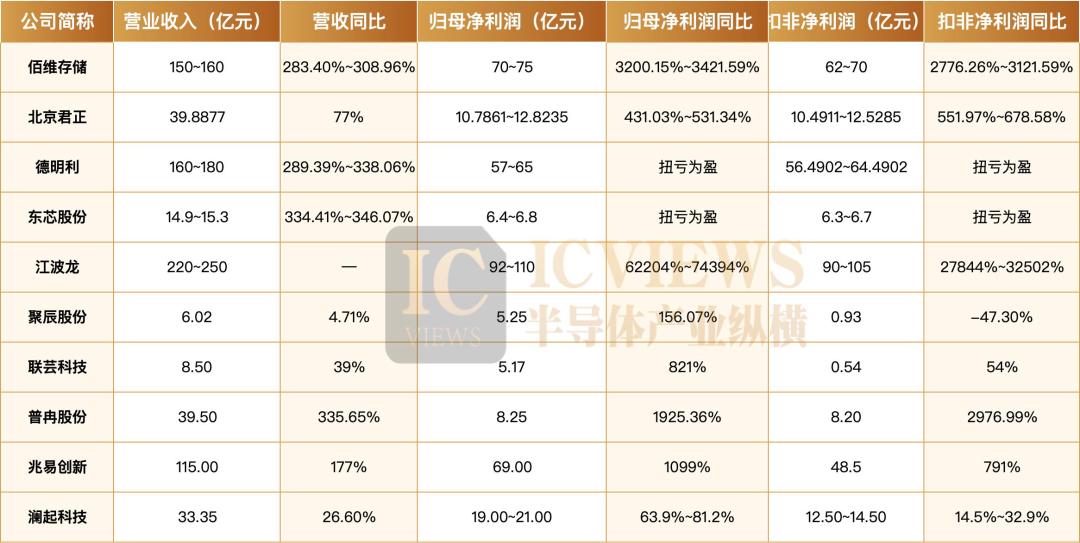
存储产业链的上游企业也在这波盈利狂潮中获益。国内企业江波龙上半年净利润同比增长62204%-74394%,佰维存储增长3200%-3422%,德明利增长近50倍1。但这些巨大的利润增幅并未惠及下游产业。2026年二季度手机DRAM内存价格环比涨幅突破80%,旗舰机型BOM成本同比涨幅接近50%1,这给手机和PC厂商带来了沉重的成本压力。
面对存储芯片价格的大幅上涨,下游厂商开启了集体抵抗。OPPO与vivo正式拒绝了三星电子2026年第三季度存储产品的报价,国内TOP6手机厂商中多家明确拒绝涨价要求1。此外,存储产业链已出现分化迹象,华强北16G DDR4内存条单月跌去约35%,从700多元跌至450元1。与此同时,SK海力士已完成与10余家企业的长期供货协议签署,2026年HBM产能售罄,2027年大部分产能已被预订1,显示上游厂商正在通过长期合约锁定高价。
SK Hynix and Samsung Electronics have reported blockbuster financial results, with their memory chip divisions reaching historic profitability levels. SK Hynix posted second-quarter revenue of 793.2 billion Korean won, up 257% year-over-year, with operating profit surging 557% to 605.4 billion won and net profit skyrocketing 1,242% to 939.2 billion won 1. Samsung Electronics reported sales of 1.715 trillion won, up 130% annually, while operating profit jumped 1,813.83% to 894.9 billion won and net profit climbed 1,344.46% to 712.7 billion won 1. However, despite these record earnings, SK Hynix shares plummeted 11–13% in a single trading session, wiping approximately 200 trillion won from its market value 1.
The surge in memory chip profits has extended across the industry supply chain. Domestic storage companies have also achieved explosive growth, with Longsys reporting net profit increases of 62,204% to 74,394% in the first half of the year; Biwin Memory saw growth of 3,200% to 3,422%; and Deming Profit increased nearly 50-fold 1. Meanwhile, handset manufacturers face mounting pressure from soaring component costs. DRAM prices for smartphones jumped more than 80% sequentially in the second quarter of 2026, and memory costs for flagship device models have climbed roughly 50% year-over-year in bill-of-materials expenses 1. In response, multiple top Chinese smartphone brands, including OPPO and vivo, have formally rejected Samsung's pricing for storage products scheduled for the third quarter of 2026 1. The broader handset sector has coalesced around resistance to price increases, setting the stage for intensified negotiations within the industry supply chain 1.
SK Hynix has completed long-term supply agreements with over ten enterprises, with its 2026 HBM production capacity already sold out and most of its 2027 output pre-booked 1. Spot market pressures are also evident: 16GB DDR4 memory modules in Huaqiangbei dropped roughly 35% month-over-month, falling from above 700 yuan to 450 yuan 1.
评论
还没有评论,欢迎留下第一条。