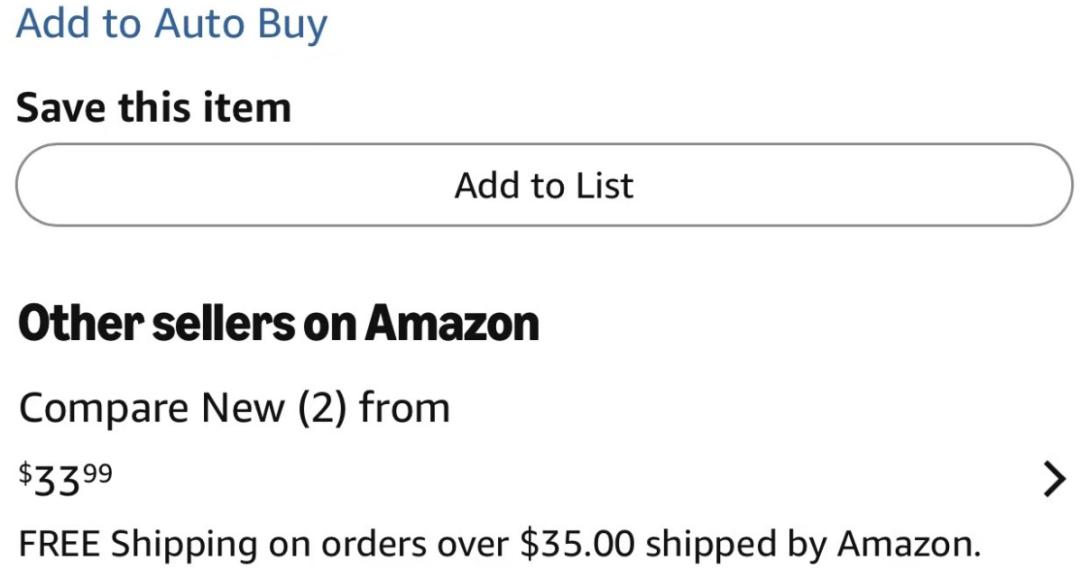
亚马逊正在通过系列政策调整,逐步抑制第三方卖家的跟卖行为。1从2026年3月31日起,亚马逊执行"取消共享库存"新规,改变了跟卖商品在平台上的呈现方式。1具体而言,平台将"Other sellers on Amazon"(亚马逊上的其他卖家)选项移至"All Offers"折叠页面,大幅降低了跟卖商品的曝光度。1
同时,亚马逊推出了多项品牌保护工具。1这些工具包括"透明计划(Transparency)"、"零计划(Project Zero)"和"违规举报RaV"等措施。1平台还发布了《品牌成长阶梯》,向品牌卖家提供流量、推广工具等扶持政策。1这一转变旨在应对Temu、TikTok Shop等新兴平台的低价竞争,将流量和资源向品牌备案卖家倾斜,推动平台从价格竞争向品牌差异化竞争升级。1为此,亚马逊还推出了低价商城Haul,与新兴电商平台展开竞争。1
Amazon is systematically dismantling third-party seller parasitism through a series of structural reforms aimed at elevating brand-name merchants and combating cut-price competition from emerging platforms.1 The company will enforce a "discontinuation of shared inventory" policy effective March 31, 2026, fundamentally restructuring how multiple sellers can list against the same product.1
The platform has already repositioned "Other sellers on Amazon" to a collapsed "All Offers" page, significantly reducing visibility for copycat listings.1 Alongside these layout adjustments, Amazon has rolled out a suite of brand protection mechanisms—including the Transparency Program, Project Zero, and a violation reporting system—to empower legitimate brand sellers with enforcement tools.1 The company simultaneously introduced Haul, a discount-focused marketplace tier, to compete directly with rival platforms like Temu and TikTok Shop.1
To reinforce this strategic shift away from price-based competition, Amazon unveiled the "Brand Growth Ladder," a tiered support program offering legitimate brand sellers preferential access to traffic and promotional resources.1 Together, these moves represent a deliberate pivot toward brand differentiation and away from the commoditized, low-margin dynamics that have long characterized the platform's third-party ecosystem.
评论
还没有评论,欢迎留下第一条。