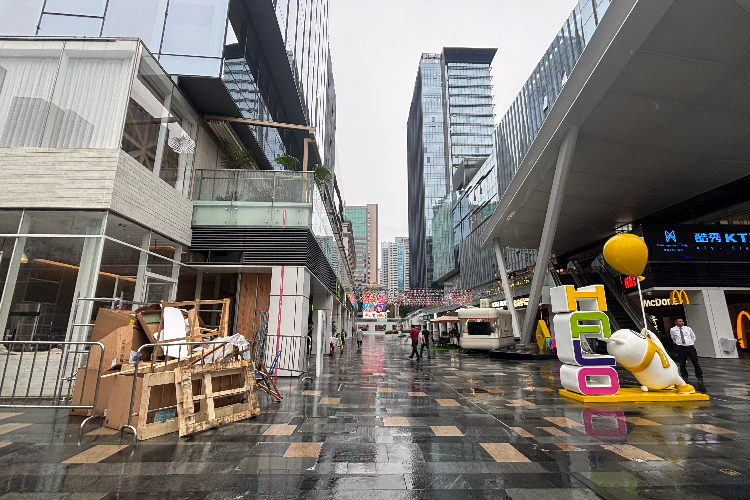
深圳罗湖区东门步行街、笋岗HALO广场、水贝珠宝商圈等商业街区近期经过微更新焕然一新,但市民反映这些改造项目过于强调外立面景观,对实用功能重视不足1。日均客流数十万的东门步行街主街及周边公共座椅屈指可数,笋岗HALO广场则缺少公共卫生间、母婴室、直饮水点,外卖骑手和保洁人员也缺乏临时驿站1。
为回应市民诉求,相关部门已启动优化工作1。东门街道办已规划在五个点位设置座椅,其余点位将逐步推进1。与此同时,水贝片区的微更新已取得初步成效,新增非机动车道超3公里、非机动车停车位2000余个1。水贝时尚设计总部经济集聚街区建设项目总投资概算约1.27亿元,于2024年6月启动1。罗湖区政协委员李志光指出,微更新应从"景观导向"转向"需求导向"1。
Several landmark commercial areas in Luohu District, Shenzhen—including Dongmen Pedestrian Street, Sungang HALO Plaza, and the Shuibei jewelry business district—have undergone micro-renewal projects that have transformed their appearances, yet residents are questioning whether these upgrades prioritize aesthetics at the expense of usability 1. The Dongmen Pedestrian Street, which draws tens of thousands of daily visitors, has few public seating areas despite its high foot traffic 1. Similarly, Sungang HALO Plaza lacks public restrooms, mother-and-baby care facilities, and drinking water stations, leaving delivery riders and cleaning staff without adequate rest areas 1.
In response to these concerns, relevant authorities have begun implementing improvements 1. The Dongmen subdistrict office has already planned to install seating in five locations, with additional points to follow incrementally 1. Elsewhere in the district, the Shuibei area's micro-renewal initiative has added over 3 kilometers of bike lanes and more than 2,000 bicycle parking spaces 1. The larger Shuibei Fashion Design Headquarters Economic Cluster Construction Project, launched in June 2024, carries a total investment budget of approximately 127 million yuan 1. CPPCC member Li Zhiguang from Luohu District has advocated for shifting these renewal efforts from a "landscape-driven approach" to a "demand-driven approach" 1.
评论
还没有评论,欢迎留下第一条。