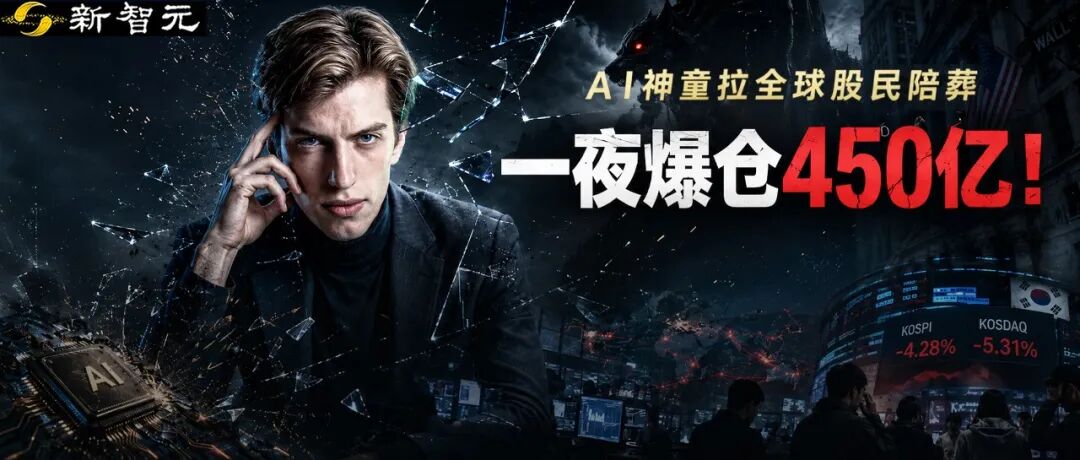
25岁前OpenAI研究员Leopold Aschenbrenner创办的对冲基金Situational Awareness在7月因AI硬件股暴跌而被迫爆仓。12该基金采用4倍杠杆重仓AI基础设施相关股票,包括SK海力士、美光、CoreWeave等,在这些股票本月跌幅超过35%后触发保证金追缴。12不到24小时内,基金的160亿美元持仓被迫清仓,其中大部分被Citadel以折扣价接手,仅保留约50亿美元Anthropic私有股权和自有资金。12
Aschenbrenner的这支基金曾创造过惊人的投资收益。2基金2024年9月成立时规模约2.25亿美元,到2026年中管理规模飙升至接近450亿美元。12今年上半年单期回报率达439%,累计回报率超过2000%。2然而高杠杆策略最终导致了灾难,爆仓后AI股随即报复性反弹,纳斯达克100指数单日涨幅超过3%。1
Aschenbrenner现年25岁,15岁考入哥伦比亚大学,19岁毕业,曾在OpenAI和FTX慈善基金工作。1
Leopold Aschenbrenner, a 25-year-old former OpenAI researcher, saw his hedge fund Situational Awareness forced into liquidation in July 2026 after a sharp decline in AI hardware stocks triggered a margin call.12 The fund, which had grown to manage approximately $450 billion in assets and posted a 439% return in the first half of 2026, collapsed within less than 24 hours as its heavily leveraged positions unraveled.12
Aschenbrenner founded the hedge fund in September 2024 with roughly $225 million and employed four times leverage to concentrate bets on AI infrastructure stocks including SK Hynix, Micron, and CoreWeave.2 When these holdings plummeted by more than 35% in July, the fund faced forced liquidation of approximately $160 billion in positions, with the majority acquired by Citadel at discounted prices.12 Aschenbrenner managed to preserve about $5 billion in Anthropic private equity holdings and retained customer capital, but the swift unwinding of the fund's core strategy proved devastating.12 The irony of the collapse was compounded when AI stocks staged a broad recovery immediately after the liquidation, with the Nasdaq-100 index climbing more than 3% in a single day.1
The precipitous rise and fall underscores the extreme risks associated with leveraged bets on concentrated sectors. Aschenbrenner, who entered Columbia University at age 15 and graduated at 19 before working at OpenAI and the FTX Foundation, accumulated cumulative returns exceeding 2,000% before the fund's implosion wiped out the bulk of these gains.2
评论
还没有评论,欢迎留下第一条。