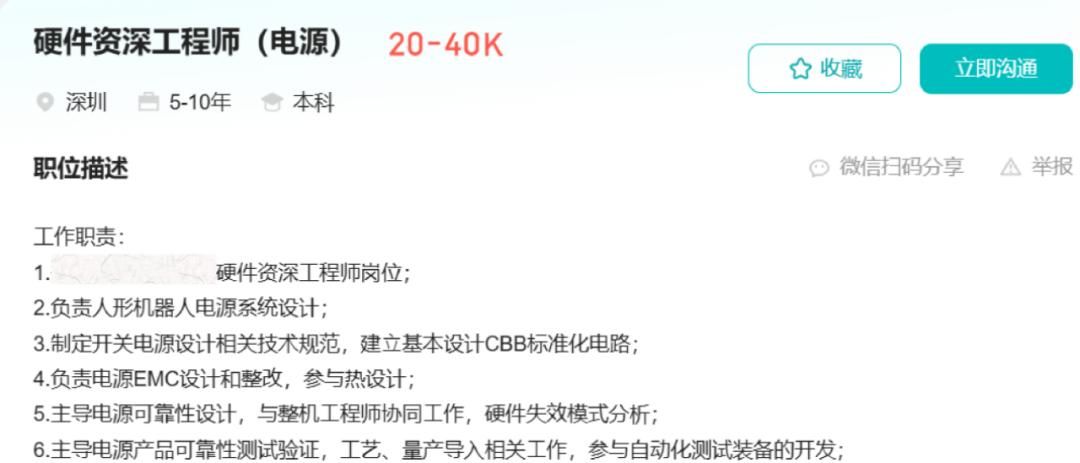
通过招聘岗位的变化趋势,可以看出仿生机器人行业正在经历从演示阶段向量产阶段的转变。1仿生机器人公司的战略重心已从硬件仿真转向伦理框架建设、软件大脑开发、国际出海和场景落地。1这种转变直接反映在招聘需求上,岗位从硅胶仿真、表情设计向NVH工程师、电源测试工程师等工程化能力倾斜,标志着行业从Demo时代进入量产体验打磨期。1
与此同时,仿生机器人公司正在建立独立的伦理审查机制,以应对《人工智能拟人化互动服务管理暂行办法》的新规。1本体公司的募资比例也用于补齐大脑短板,体现出软件大脑开发的紧迫性。1
具身智能领域的人才市场呈现出高端人才稀缺、薪资溢价明显的特点。1人形机器人领域平均年薪达到40.61万元,名校毕业生200万年薪已不罕见。1未来五年,具身智能岗位将提供100万的新增就业岗位。12026年被视为机器人行业全面投入应用的关键节点。1
Embodied AI companies are fundamentally reshaping their hiring strategies and business focus as they transition from demonstration phases toward mass production and commercialization.1 The sector's recruitment patterns reveal a strategic pivot from hardware simulation and facial design roles toward specialized engineering positions including NVH engineers and power supply testing specialists, signaling the industry's movement from prototype-focused work into the refinement stage for production-scale experiences.1
Major companies in the humanoid robotics space have consolidated their strategic priorities around three core pillars: artificial intelligence software development, international expansion, and real-world application deployment.1 This realignment is partly driven by new regulatory requirements, as companies are establishing independent ethics review mechanisms to comply with emerging governance frameworks for anthropomorphic AI interactive services.1
The talent market in this sector is experiencing significant premium valuations and scarcity at senior levels.1 The humanoid robotics field commands an average annual salary of 406,100 yuan, with compensation packages for top graduates from prestigious institutions frequently reaching two million yuan annually.1 The industry is projected to create one million new employment positions over the next five years, with 2026 identified as a critical milestone for comprehensive industrial application deployment.1
评论
还没有评论,欢迎留下第一条。