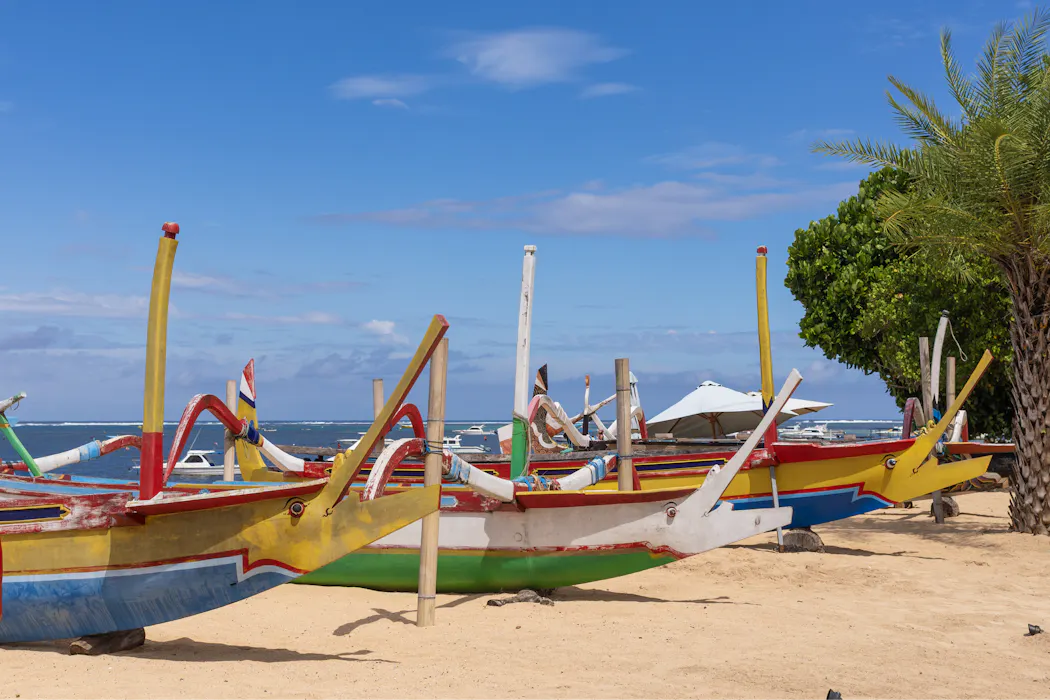
巴厘岛标志性的传统双桡帆船jukung pelasan正在快速消失。研究表明,目前仅剩6艘完整的木制jukung pelasan船舶存世1。这些承载了巴厘岛几代人工艺、精神信仰和海洋知识的传统船只,因1970年代以来旅游业发展、渔业衰退和海岸线变化而大幅减少1。
旅游业的扩张导致传统渔业衰退。旅游业约占巴厘岛GDP的60%1,这一产业的快速发展改变了沿海环境。随着老一代船工的凋零,新的造船工人不再出现。已退休的传统船工表示,已无人继续制造木质渔船,传统材料也已难以获得1。
部分幸存的传统船只未能留在本地。一些jukung pelasan被海外收藏家购买,现存放于达尔文、西雅图、宁波等地的博物馆中1,进一步加剧了巴厘岛本地传统海洋知识与造船技艺的失传风险。
Bali's iconic jukung pelasan, the traditional double-outrigger wooden boats that have embodied the island's maritime heritage for centuries, are rapidly vanishing. Research has identified only six fully intact wooden jukung pelasan vessels still in existence 1. These distinctive craft once represented generations of Balinese craftsmanship, spiritual beliefs, and oceanic knowledge, but have declined dramatically since the 1970s due to tourism expansion, fishing industry decline, and coastal transformations 1.
The loss extends beyond the boats themselves. Retired boat builders confirm that no one is currently constructing wooden fishing vessels, and traditional shipbuilding materials are no longer readily available 1. Some traditional boats have been purchased by overseas collectors and relocated to museums in Darwin, Seattle, and Ningbo 1. This dispersal underscores the urgent threat to Bali's maritime traditions and the specialized knowledge required to maintain this cultural legacy.
评论
还没有评论,欢迎留下第一条。